
Symbol · Material Culture · Memory
Symbolism lies at the heart of Helena's work across history, archaeology, alchemy and depth psychology. She is the founder of Marks of Ireland, Ireland's first digital atlas dedicated to recording and interpreting mason's marks, medieval graffiti and historic symbols.
Helena B. Scott is a multilingual public historian and cultural heritage specialist based in Ireland since 2015. Born in Madrid, Spain, in 1976, she spent part of her early childhood in Elizabethtown, Kentucky, while her father was posted at nearby Fort Knox. The daughter of a military diplomat, defence attaché and practising military historian, Helena grew up in an international environment in which history, philosophy, languages and world affairs were part of everyday life. Her father's diplomatic career took the family across countries and cultures, while his own work as a historian meant that the past was not simply a subject Helena later chose to study, but something present from her earliest memories. In many ways her own path — across history, languages, international affairs and the movement of ideas between cultures — grew from that early intellectual inheritance. Helena and her father are both members of the World Association of International Studies (WAIS).
Returning to Spain at the age of four, Helena was educated at the Colegio Madres Concepcionistas on Madrid's Calle Princesa, part of the Conceptionist educational tradition and a school whose spiritual life was centred upon Mary Immaculate. Helena particularly remembers morning Mass in the chapel and an early devotion to Our Lady — experiences that, viewed retrospectively, seem striking given the place the Sacred Feminine would eventually occupy in her historical, psychological and spiritual work.
Professional Profile · At a Glance
Research, teaching, publishing & collaboration
Her return to Spain was relatively brief. At the age of seven, the family moved again, this time to Rome, Italy, beginning a pattern that would continue throughout much of her childhood and youth. Every few years brought another country, another culture and often another language to learn. Growing up in this continually changing international environment required Helena to adapt repeatedly to different customs, histories, languages and ways of seeing the world, making movement between cultures an ordinary part of her life long before adulthood.
Her own professional life initially followed an equally international path. Helena worked in the Investment Banking Division at Credit Suisse's headquarters in Canary Wharf, London, United Kingdom. While studying her undergraduate degree in Law and History at Madrid's Complutense University, she worked at Clifford Chance's Madrid office with senior partners working across M&A, Corporate and Finance. Her career also included more than a decade within the Defence sector, including work with U.S. aerospace and defence company General Dynamics, where she worked closely with the legal department and senior management. She also established and ran her own translation business, working across specialist and technical fields. Her combination of languages and professional familiarity with Defence, law and finance led to extensive specialist translation work, including defence and aerospace material, legal and financial documentation, and the translation of several books and works relating to the Second World War.
Beyond the Archive
Nature · Sea · Animals · Sailing · Aviation
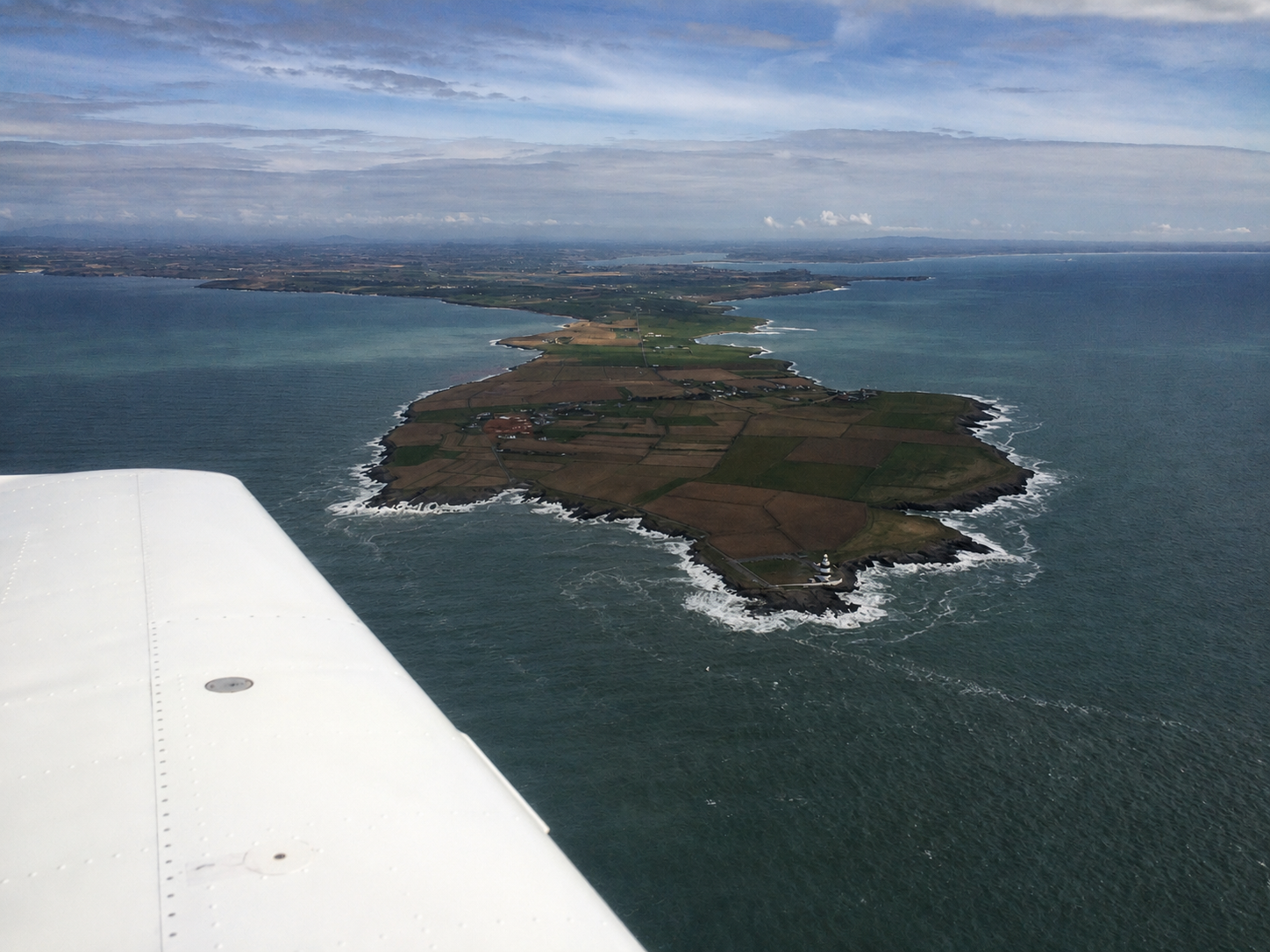
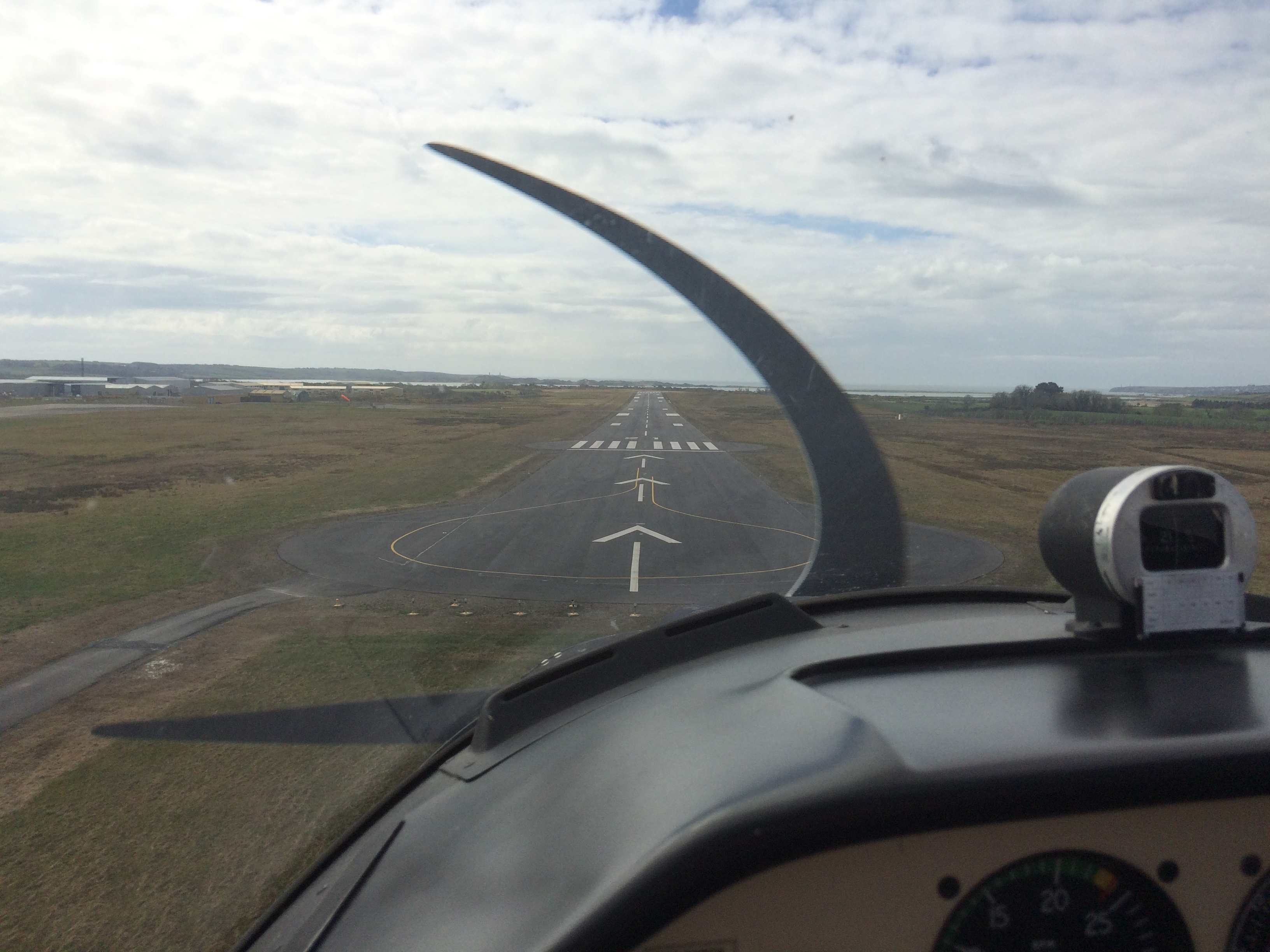
Beyond scholarship, Helena has a longstanding connection with nature, the sea, animals, sailing and aviation. While living in Spain, she sailed competitively at semi-professional level, participating in match racing, offshore regattas and ocean racing, and was formerly a member of the Costa Blanca Yachting Association. A qualified PADI Open Water Diver, her interests beneath the water have also extended into underwater naturalism and marine conservation. Flying has also been part of her life since youth, with later pilot training in Ireland renewing a longstanding relationship with aviation and landscape.
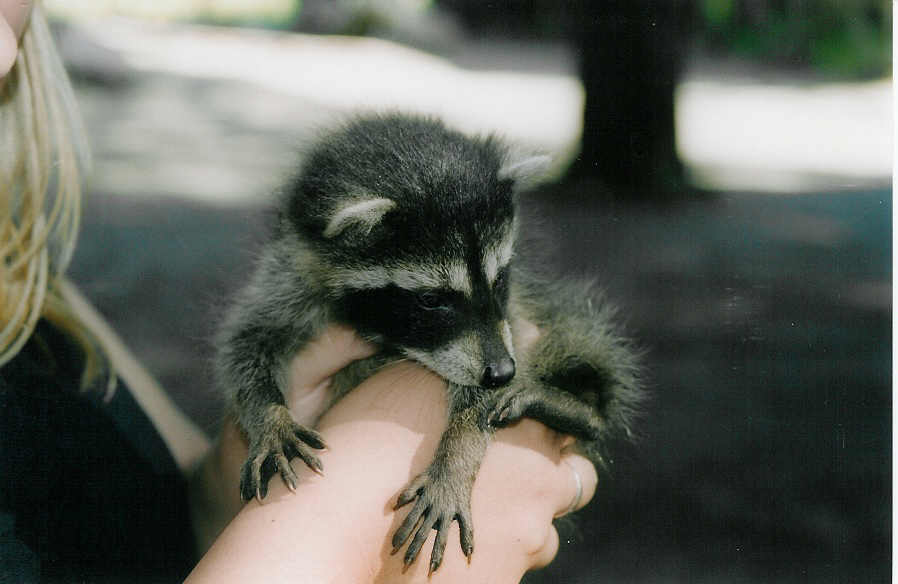
Animals have been an equally enduring part of her life. Horses have accompanied Helena through different chapters — including one memorable partnership that ended in a serious accident and surgery, leaving her with what she still describes, with some affection, as the “war scar” on her elbow. Cats both large and small, bats and raccoons remain particular weak spots. This personal affinity with animals sits naturally alongside the conservation and falconry work described above, where a love of the natural world has repeatedly intersected with history, heritage and traditional practice.
Selected Personal Photographs
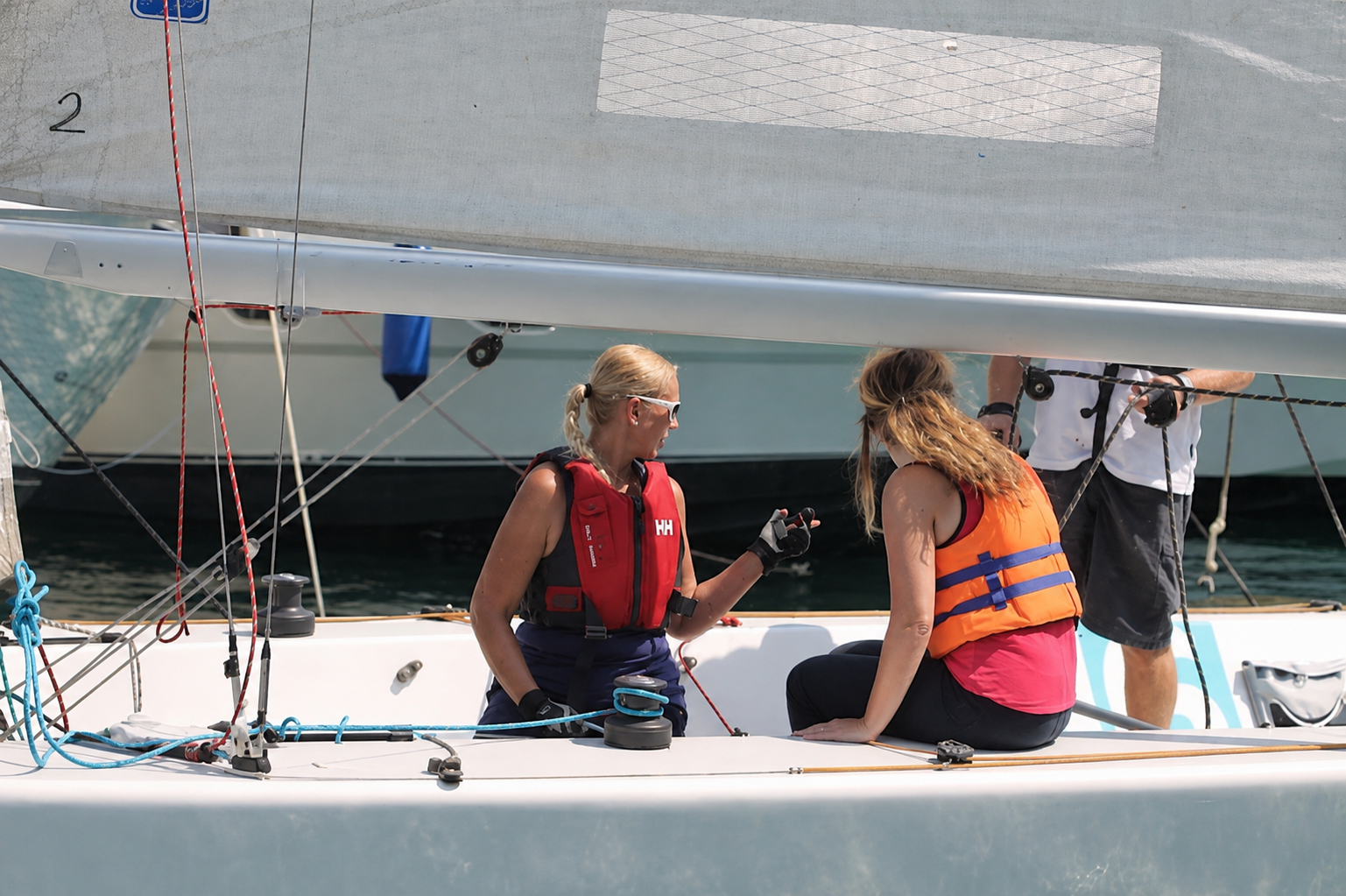
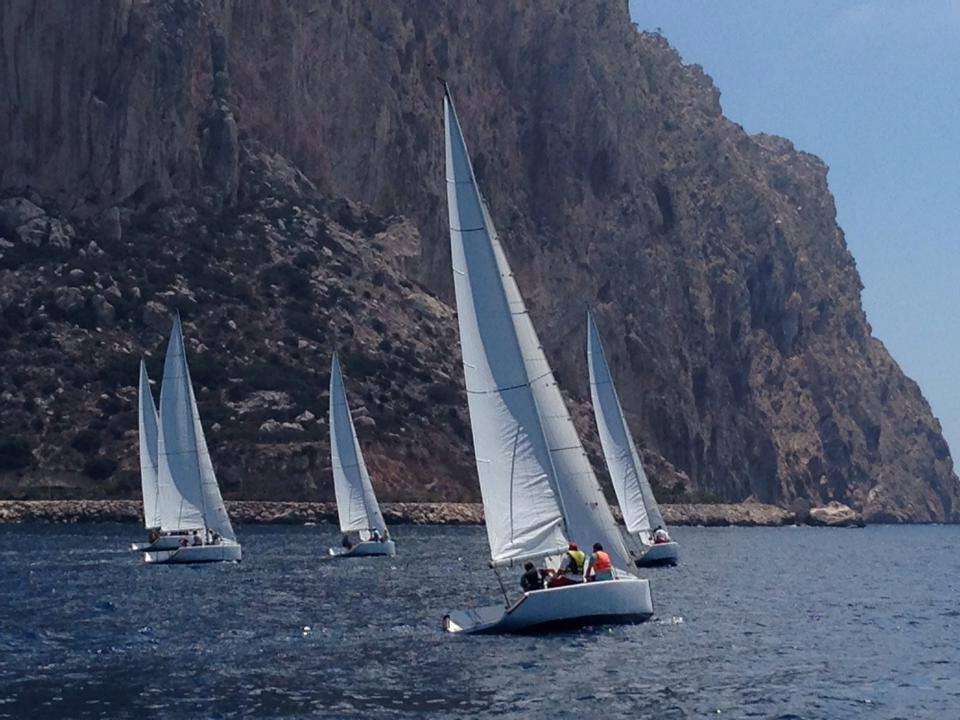
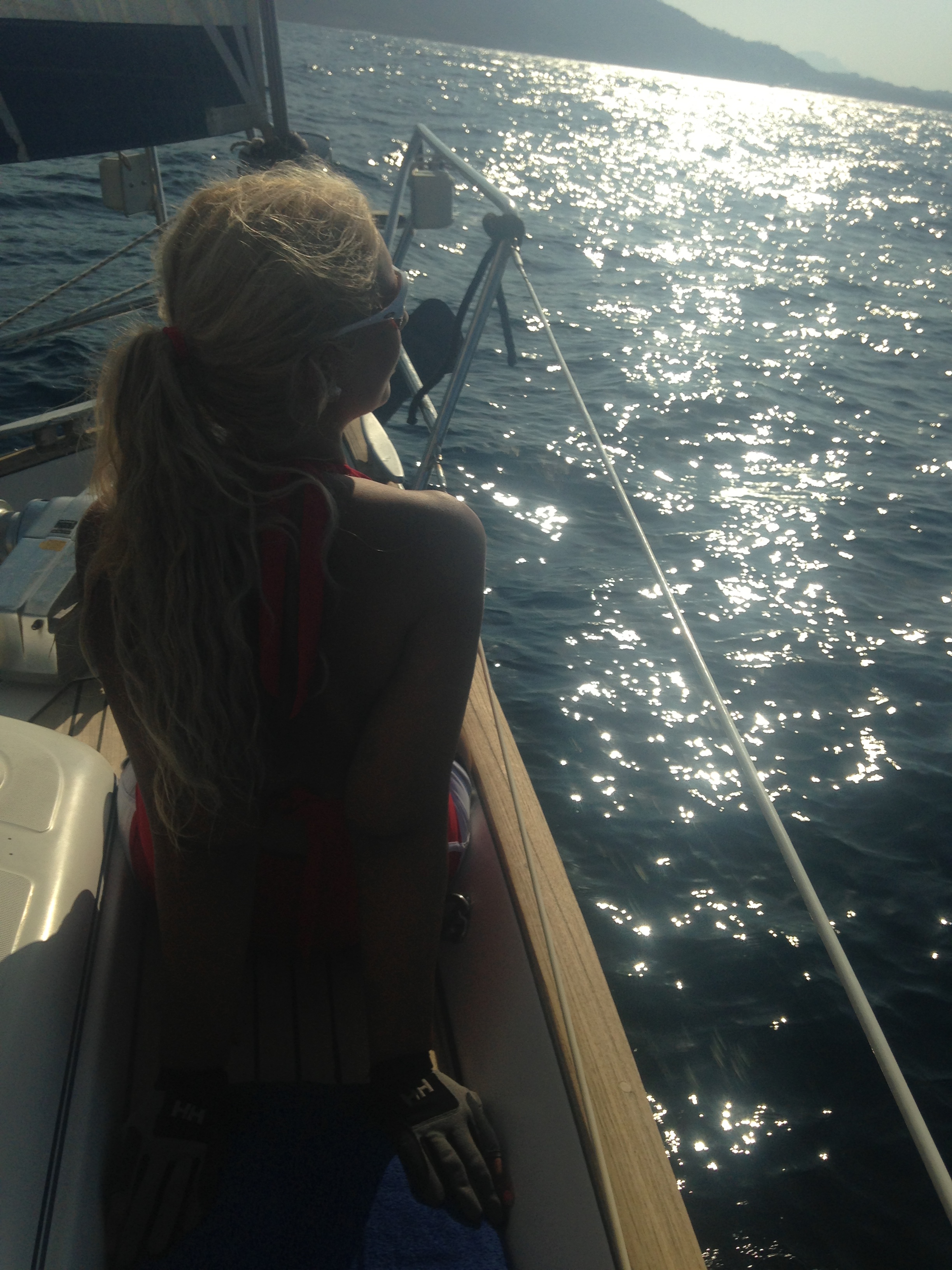
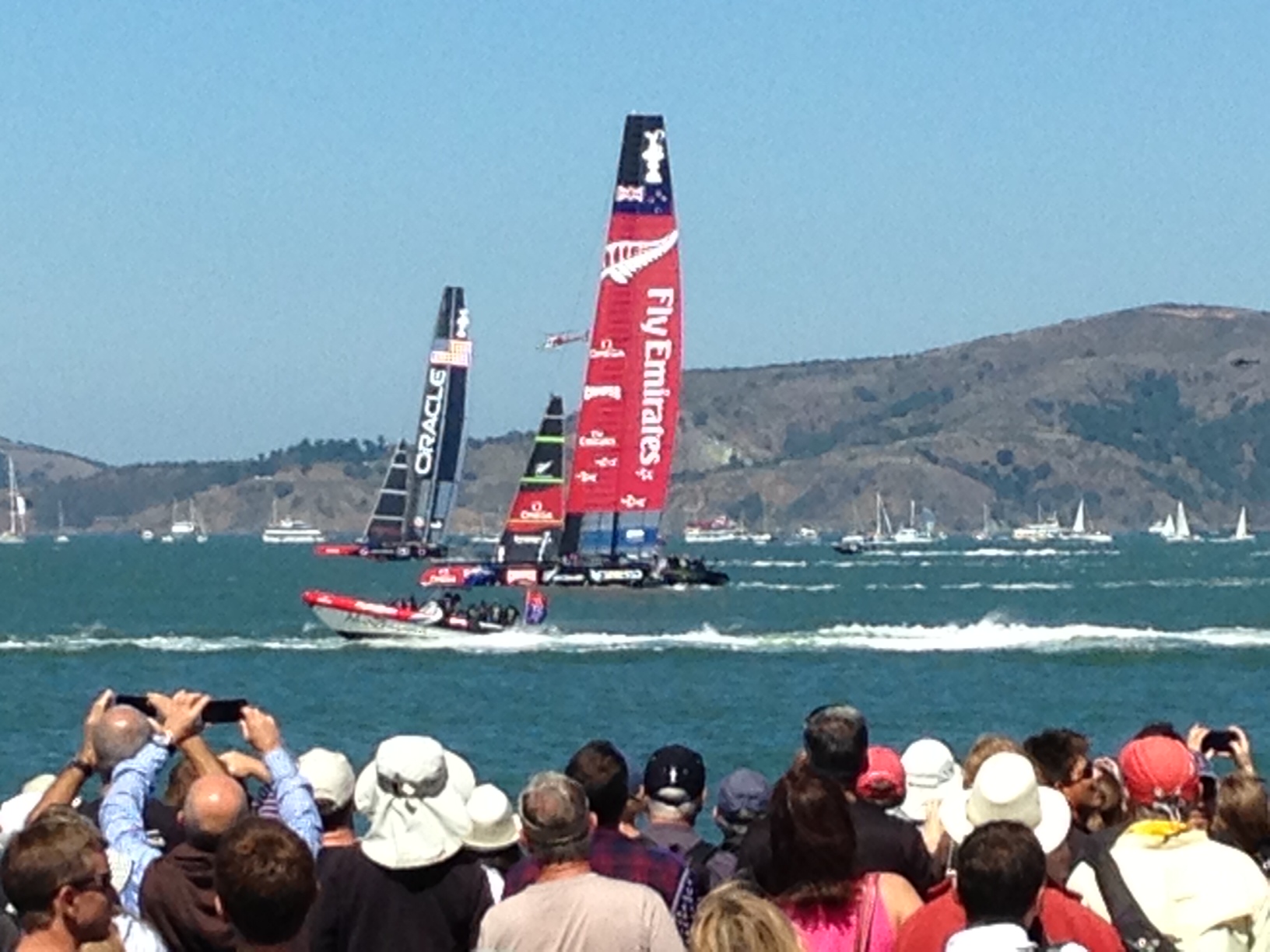

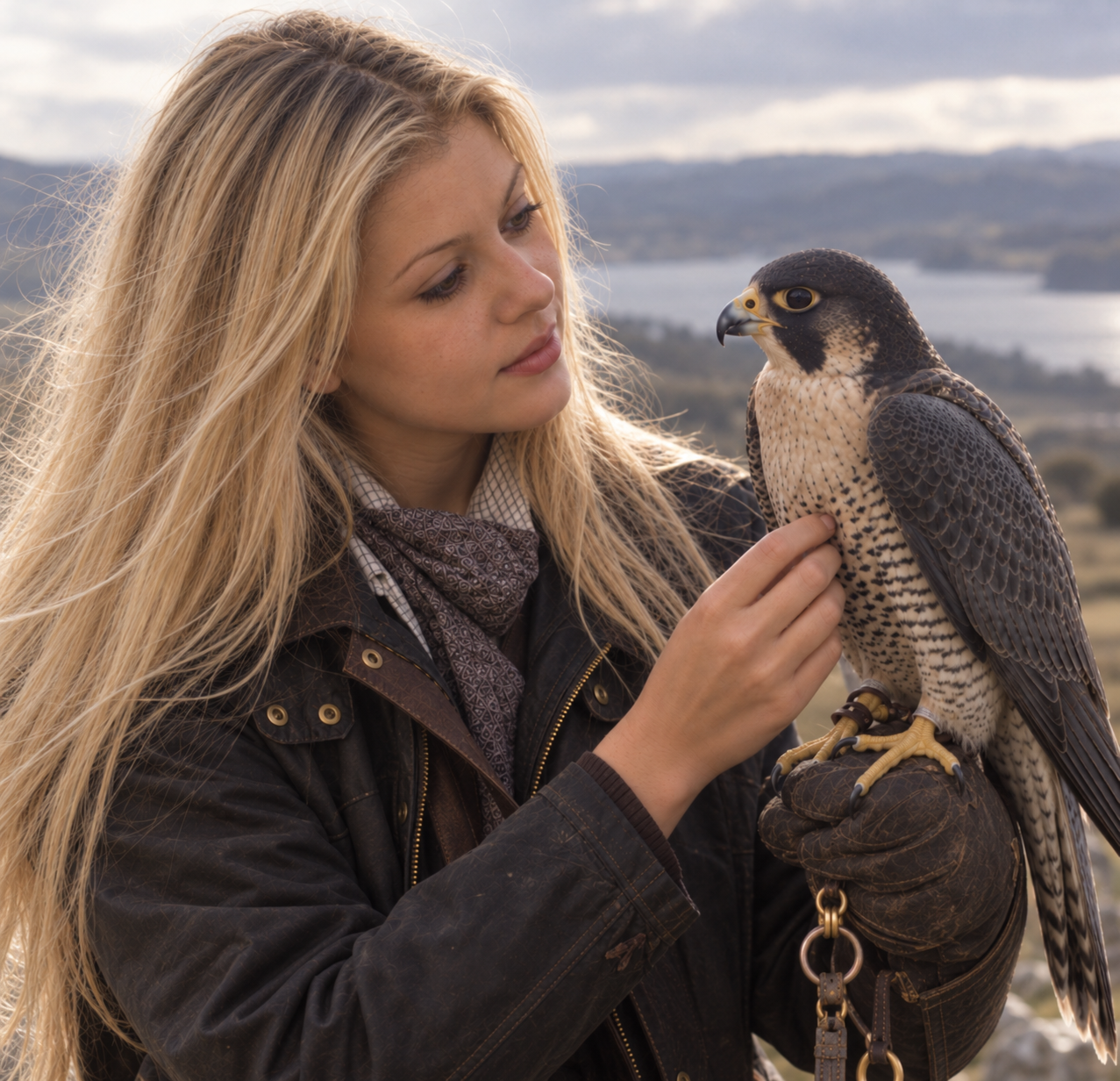

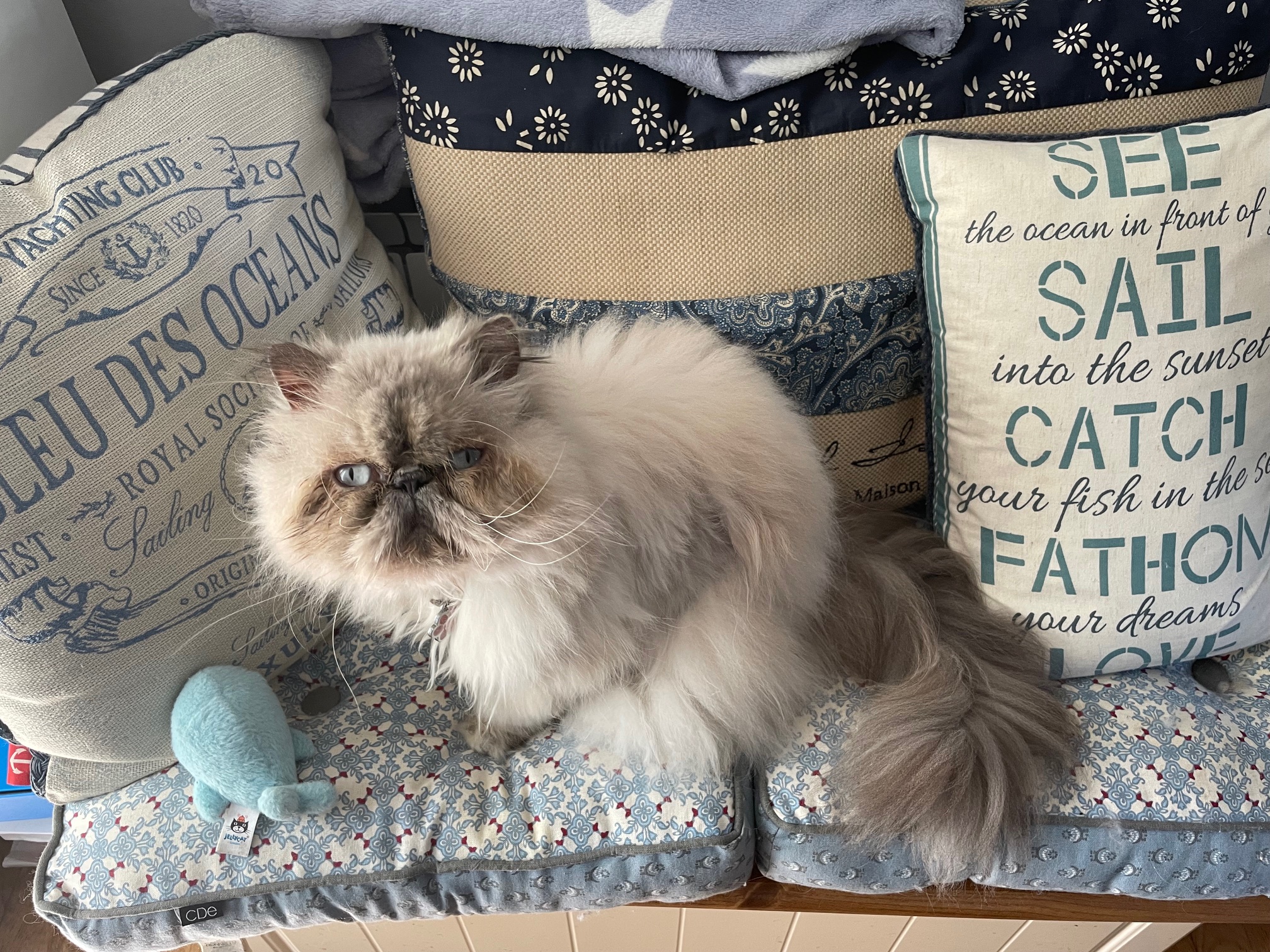
Yet another current had always run quietly beneath Helena's professional life. The worlds of banking, law and Defence were familiar ones, deeply connected to the international and professional environment in which she had been raised, but they never entirely answered a much older attraction to spirituality, the unseen and the deeper questions of human meaning. For many years Helena explored this dimension of her life privately, studying and practising beyond the boundaries of her conventional professional career. Over approximately the last two decades, what had once existed largely in the background gradually became central to her intellectual and spiritual path.
That multilingual upbringing also shaped Helena's approach to evidence. Languages were part of her everyday life from childhood: she learned them not only as she moved between countries and adapted to new cultures, but also within a genuinely multilingual home, where her parents spoke to Helena and her brother in several languages. Moving continually between languages and cultures taught her early that words do not always carry precisely the same meanings across linguistic boundaries, and that understanding another culture often requires encountering it in its own language. She became acutely aware that translation is itself an act of interpretation: meaning can be altered, simplified or lost as it passes from one language into another. She therefore developed the habit of returning whenever possible to texts in their original language rather than relying solely upon translations or received interpretations. She has carried that principle into her historical research, repeatedly returning to the surviving evidence itself — manuscripts, archival documents, archaeological material, inscriptions, monuments, landscapes and objects — and working across sources and scholarship in multiple languages. Often her research begins with a deceptively simple question: what happens when we go back to the source? The answer has repeatedly led her towards evidence, meanings and histories that have been overlooked, simplified or forgotten.
Symbolism provides one of the principal bridges across Helena's work. Historically, she approaches symbols first as evidence: marks made upon stone, images preserved in manuscripts, seals, inscriptions, objects and architectural forms situated within their original material and cultural contexts. But symbols also have an interior life. Drawing upon Jungian and archetypal psychology, Helena explores them as maps of consciousness — forms through which individuals and cultures have attempted to articulate experiences of identity, transformation, the sacred, shadow and psyche. This approach informs projects including Marks of Ireland, her digital atlas of mason's marks, medieval graffiti and historic symbols, and the Templar Symbolism Companion, developed as the world's first dedicated digital companion to the symbolism, sacred imagery and visual language of the Knights Templar. Alongside folklore and oral tradition, haunted history, wellness and spirituality education, and digital innovation in heritage, these strands form part of a wider interdisciplinary practice grounded in historical research and interpretation.
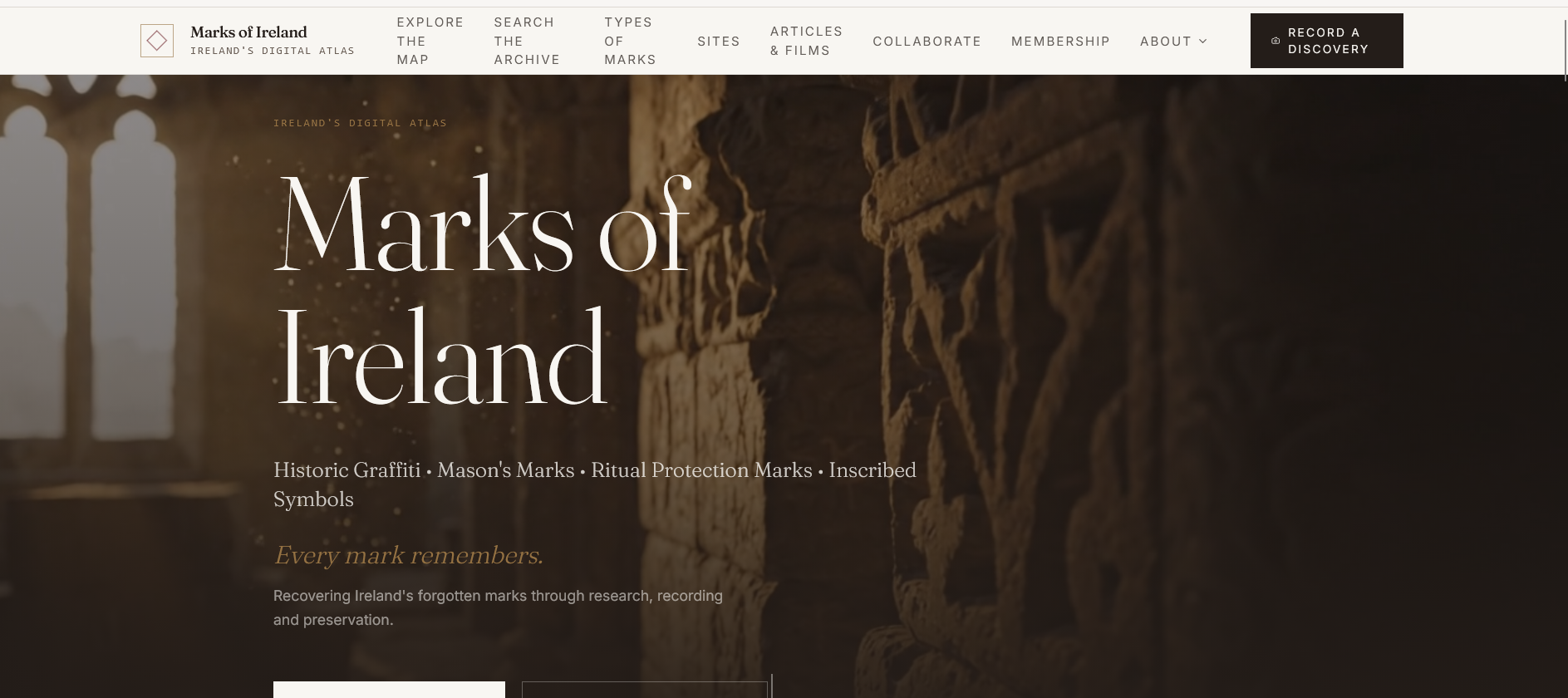
Ireland's first digital atlas of mason's marks, medieval graffiti and historic symbols.
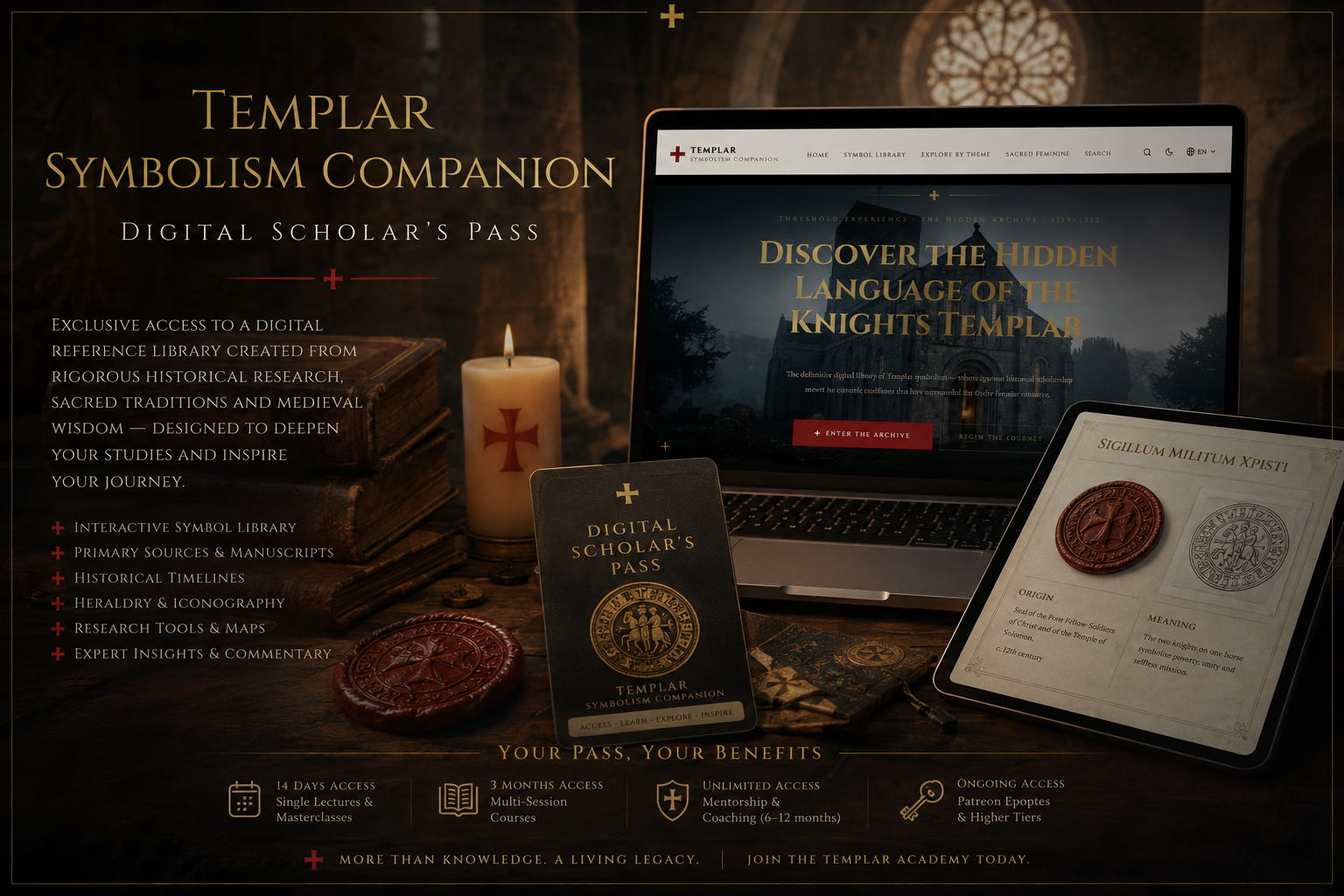
The world's first dedicated digital companion to Templar symbolism, sacred imagery and visual language.
This historical work enters into dialogue with Jungian and archetypal psychology, alchemy and shadow work. Helena is particularly interested in the Dark Mother as an archetypal image of descent, transformation and renewal, and in the relationship between this psychological process and the alchemical nigredo — the encounter with darkness from which transformation may emerge. These themes inform her writing, lectures and teaching, as well as her private Jungian and psychospiritual consultations.
The Dark Mother Institute · Public Launch 31 October 2026
Helena is the founder of the Dark Mother Institute, a developing research initiative and living archive dedicated to exploring the Dark Mother across history, depth and archetypal psychology, Black Madonna traditions, sacred feminine imagery, sacred geography and the wider cultural and esoteric traditions in which these figures have endured. The Institute is currently in development, with its public launch scheduled for 31 October 2026. It will bring together Helena's continuing archival research, fieldwork and original discoveries, alongside future public-history projects and exhibition work devoted to recovering the histories of remarkable Black Madonnas whose stories have remained little known, overlooked or forgotten.
This research also lies at the heart of Helena's forthcoming book with Holythorn Press: an original multidisciplinary study of Black Madonna traditions and their relationship with the Dark Mother archetype. Drawing upon historical sources, material culture, sacred landscape and original field research, the work brings previously unknown Black Madonna material into the established record alongside overlooked and little-known traditions, while exploring connections with the Knights Templar, medieval religious culture and the Sacred Feminine in ways that have received little sustained attention. The book approaches the Black Madonna simultaneously as historical object, cultural presence and powerful archetypal image.
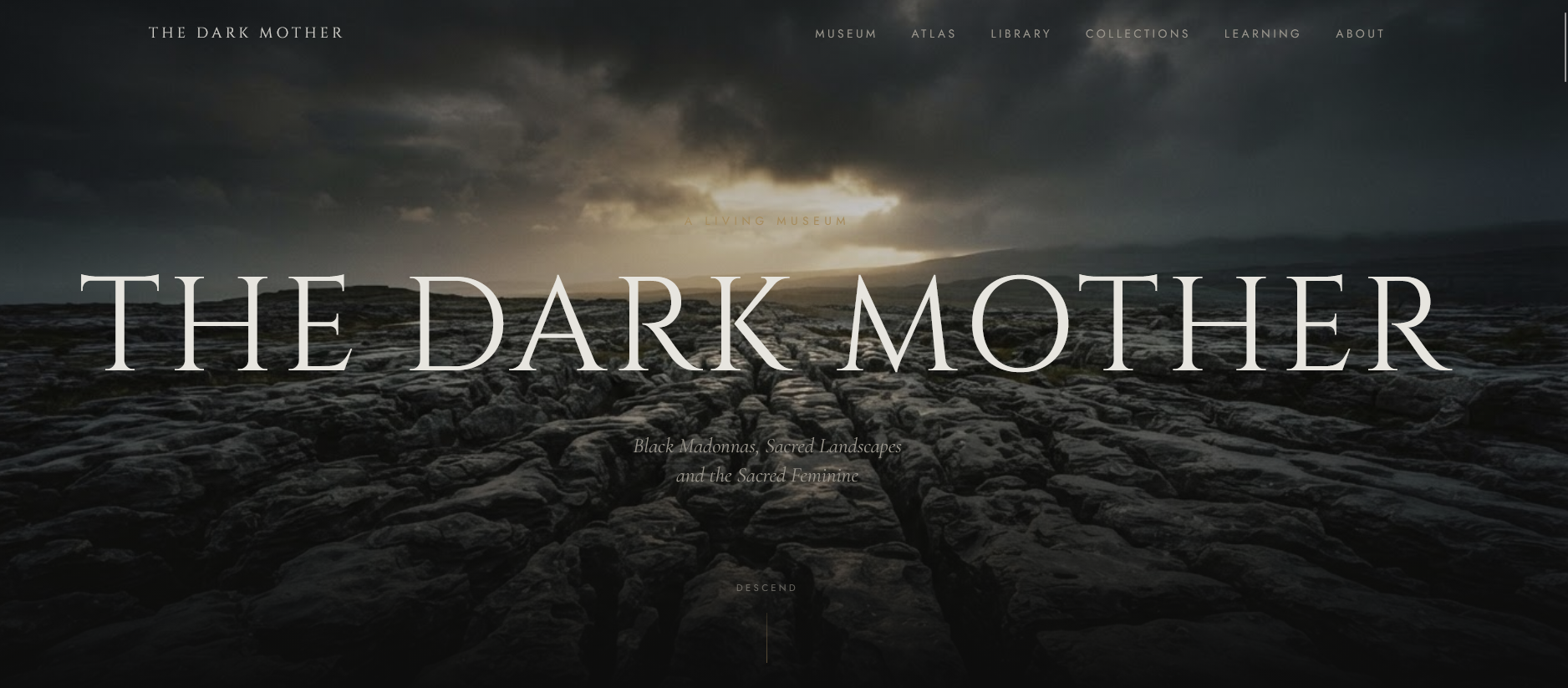
The Dark Mother Institute · Public Launch 31 October 2026
Research · Black Madonnas · The Dark Mother · Sacred Feminine · Sacred Landscape
A further strand of Helena's work explores Gnosticism, Western esotericism, Freemasonry and secret societies, psychical research, and the history and practice of mediumship. A natural medium and a member of The College of Psychic Studies, London, Helena trained extensively at the College for more than a decade before returning to it as a lecturer. Her teaching there encompasses subjects including spirituality, the Knights Templar, medieval religious history, Gnosticism, symbolism and the Western esoteric tradition. Beyond the College, her wider private teaching, mentorship and practice include mediumship, psychometry, energy work, subtle-body and chakra traditions, sacred landscape and ley lines, psychic protection, and inspirational, inspired and automatic writing. Together, these subjects form part of a wider exploration of consciousness, spiritual experience and the ways in which historical and esoteric traditions continue to speak to contemporary life.
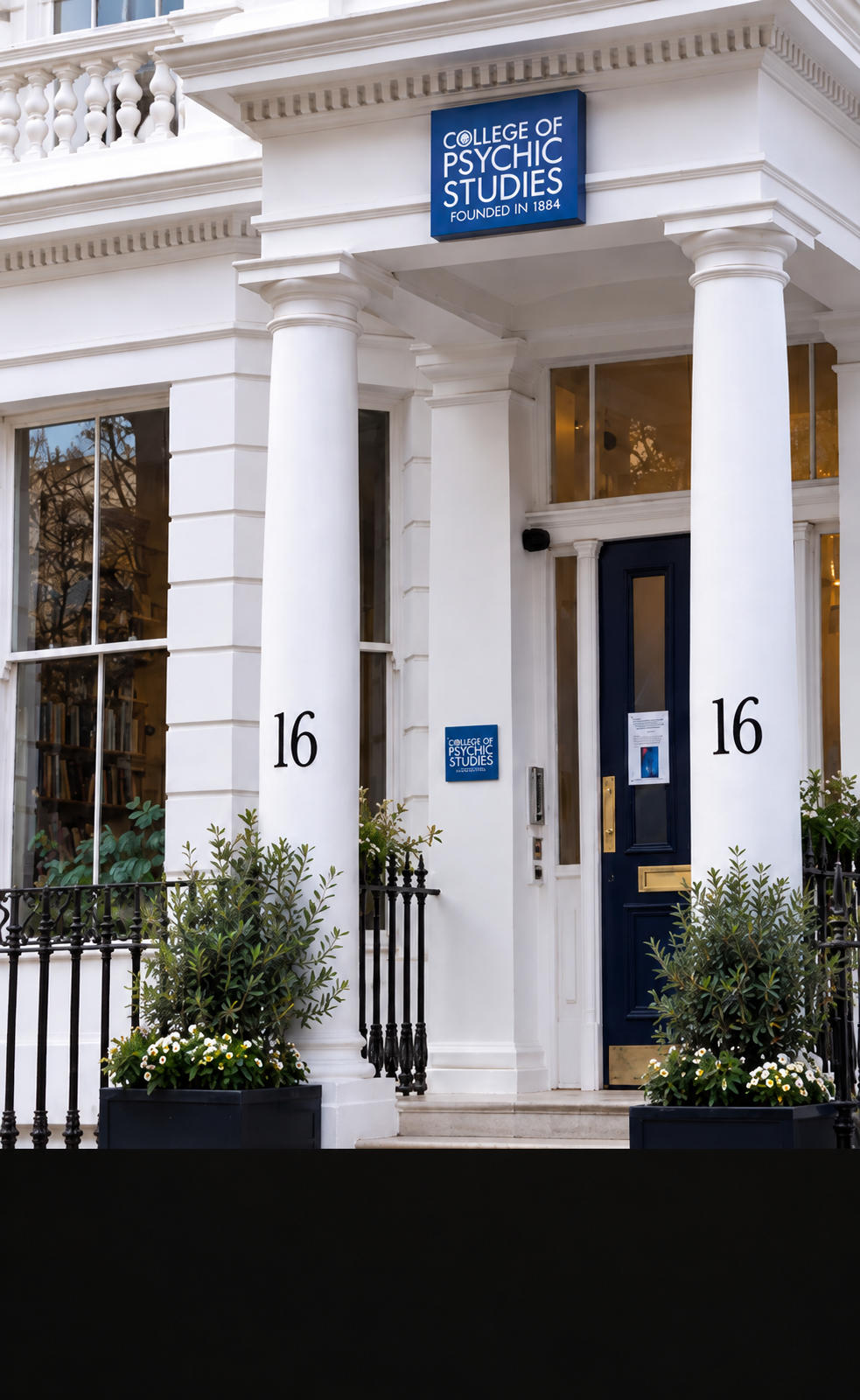
Student Feedback · College of Psychic Studies
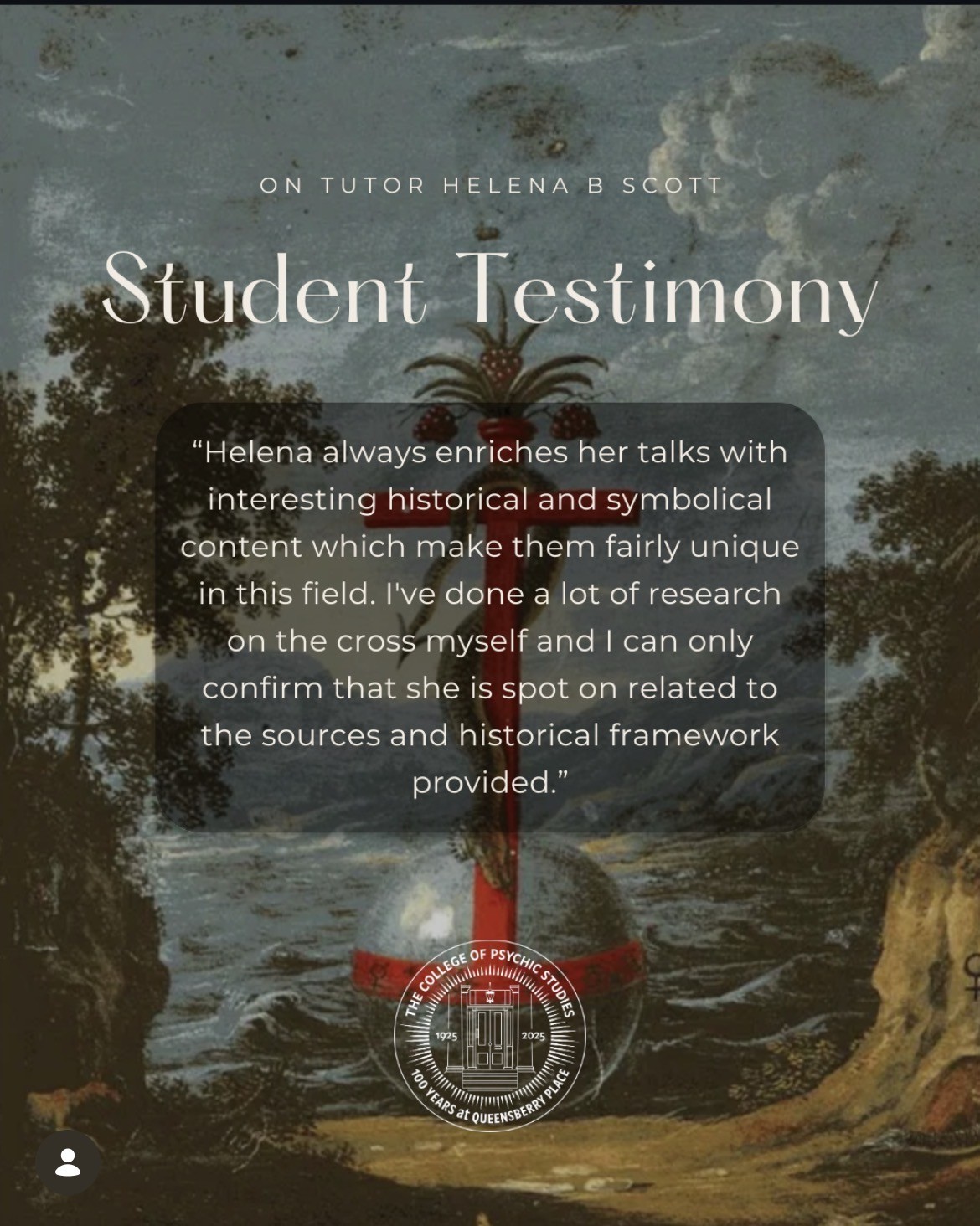
Alongside her work as a tutor and lecturer at the College, Helena contributes to its Enlighten journal, writing on history, symbolism, esoteric traditions and the living relationship between psyche, spirit and the natural world.
Helena Wellness
Helena Wellness is the applied wellbeing branch of Helena's wider historical, psychological and spiritual work, bringing knowledge recovered from the past into thoughtful dialogue with contemporary life. Its historical foundations are grounded wherever possible in Helena's own research into primary sources: ancient and classical writings on health and the body; Egyptian, Greek and Roman traditions; the works of figures such as Galen and Pliny; medieval herbals, herbaria and healing manuscripts; and the medicinal and holistic practices preserved within monastic, Cistercian, Templar and other historical traditions. This recovered knowledge is explored historically and critically alongside alchemy, Jungian, depth and archetypal psychology, nature-based practice, meditation, breath and energy work, and traditions concerned with the subtle or energetic body. Helena Wellness is organised around body, mind, spirit and nature, combining historical scholarship, lived practice and carefully developed contemporary tools within a personalised digital environment.
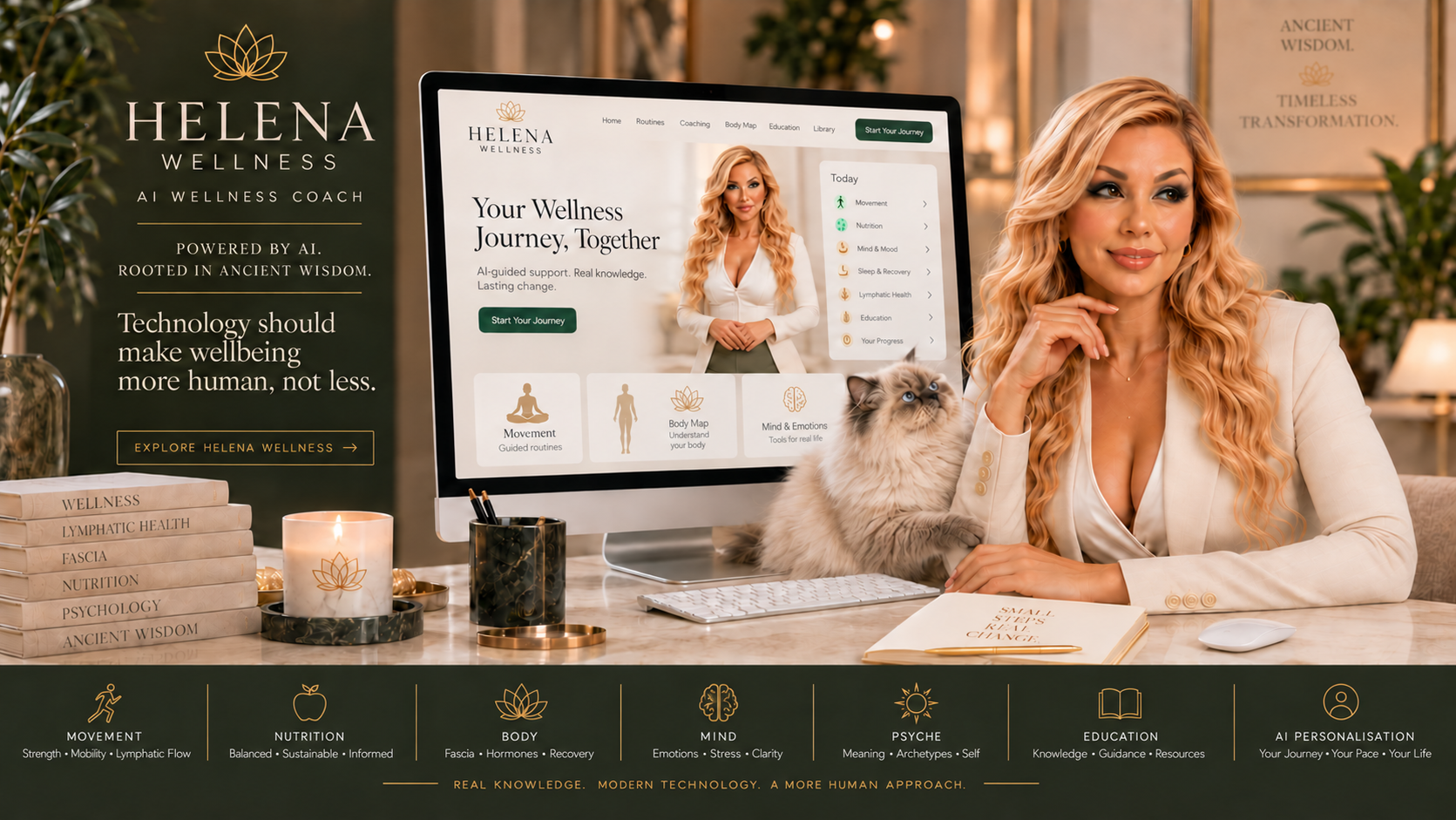
Biography
Scholarship, Heritage & Public Work
Helena holds an MA in Public History and Cultural Heritage (Hons.) from the University of Limerick (2025). Her academic and specialist formation also includes undergraduate studies from a BA in Law and History at the Complutense University of Madrid; a Diploma in Jungian Psychology and Certificate in Shadow Work from Jung Centre Dublin; archetypal-psychology training with Dr Laurence Hillman; a Diploma in the History of Magic, Witchcraft and the Occult from Imperial College London (2022–23); and a Certificate Course in the Medieval Icelandic Sagas at the University of Iceland, with study encompassing Old Norse textual traditions, Norse mythology, archaeology, landscape, the supernatural and the cultural world in which practices such as seiðr emerged.
She is a lecturer and tutor at the College of Psychic Studies, London — one of the world's oldest centres for the study of esoteric, spiritual and psychical traditions, established in 1884 — where she first trained for more than a decade across spirituality and esoteric subjects. Her studies and practice there included mediumship and trance mediumship, psychometry, inspirational and automatic writing, energy work, esoteric approaches to Freemasonry, and healing and dowsing traditions. Her mediumistic formation also includes additional training at the Arthur Findlay College, alongside further specialist development in mediumship and related psychical disciplines. She later returned to the College of Psychic Studies as a lecturer, teaching across Templar history, the Sacred Feminine, Western esotericism, Gnosticism, alchemy, mythology and Jungian and depth perspectives.
Her research has had measurable real-world impact: Helena identified and reported previously unrecorded archaeology at Kilbarry, Co. Waterford — work arising from her MA research on Templar preceptories — which subsequently entered Ireland's National Monuments record. This exemplifies her commitment to translating archival and field research into durable public-heritage outcomes.
In 2025, Helena was awarded a Certificate of Recognition by OSMTH Ireland at the Waterford Templar Historical Day, recognising her Templar research, public-history and heritage interpretation, and her contribution to advancing understanding of Templar historiography. In 2026, she received the Meriti Crux — Cross of Merit — from the Sovereign Order of the Saint-Martin Templar Knights (OSTSM), awarded when she served as keynote speaker at the international Saint Martin conference, recognising her research and contributions to Templar history.
Helena lectures internationally, both in person and by live remote delivery, for universities, colleges, Jungian societies, heritage organisations, museums, historical societies, esoteric institutions, private learning communities and cultural organisations. She has worked in publishing since the early 2000s as an author, translator, editor and independent publisher, and has written, translated, edited or contributed to eighteen published books and works in English and Spanish across history, heritage, falconry, the paranormal and related fields, most recently contributing Chapter 19, “Templar Ireland,” to The Templar Agenda, authored by Kathleen Anne Ball, PhD. The chapter distils Helena's Templar research in Ireland, begun in 2016 and developed through Loftus: The Hall of Dreams, public interviews and her later MA dissertation, and provides a concise overview of her larger book-in-progress, Templar Ireland. Her publishing record includes a number of works on falconry written by Helena herself, as well as her specialist 2009 Spanish-to-English translation and editing of Falconry: Celebrating a Living Heritage, a work on falconry's history and cultural heritage associated with the wider international campaign that culminated in its UNESCO inscription as Intangible Cultural Heritage in 2010. Her books also include Loftus: The Hall of Dreams — an Amazon bestseller — and her wider publishing work encompasses translation, editing, collaborative volumes and contributions to other authors' works. Helena is currently working on a number of forthcoming books of her own, with new titles due for release shortly. She has also contributed to press, broadcast and documentary productions across Ireland, Europe and internationally.
The Waterford Templar Historical Day, which Helena launched on 11 October 2025 from her MA research, is a paradigmatic example of her public-history practice: scholarship translated into heritage interpretation, remembrance, interfaith engagement, historical re-enactment and community education.
Raised in an international and multilingual environment, Helena is fully trilingual in Spanish, English and Italian; has a high command of French; very good reading and comprehension of Portuguese; good comprehension of Catalan; intermediate German; and foundational to lower-intermediate Swedish, with earlier study towards the Swedex business-language certificate. For historical research, Helena works with Latin and uses Old Norse for source reading and research. Her medieval-source work also involves the reading and interpretation of medieval Castilian, Catalan, French, Occitan and Galician-Portuguese, together with medieval Italian vernacular material where relevant. This multilingual range supports an approach that returns whenever possible to primary sources in their original linguistic and cultural contexts.
Helena's historical and comparative interests extend beyond medieval Europe to Egyptian, Mesopotamian and Sumerian history and religion, Norse history and saga traditions, magic and ritual, the Sacred Feminine and feminine mysteries, initiation rites, ancestral and shamanic traditions, and the ways spiritual and ritual practices are carried through culture, story, landscape and material evidence. Within the Norse field, her interests include seiðr, divination, ritual and the relationship between textual, archaeological and mythological evidence.
Applied AI and digital systems are now a distinct strand of Helena's interdisciplinary practice. Working as an applied AI systems designer and developer, she independently conceives and builds websites, apps, AI agents and end-to-end digital environments for research, heritage, knowledge, education, psychology and wellbeing. Her work brings archival sources, material culture, mapping and interpretation into human-centred systems designed to support — rather than replace — responsible human judgement. Public-facing examples include the Templar Symbolism Companion, Marks of Ireland, the Dark Mother Institute and Helena Wellness. Across this work, a central concern is human agency: how supportive AI can scaffold research, reflection, executive function and self-management while preserving autonomy, boundaries and the conditions for meaningful human choice.
Helena also works with the spoken word and is available for voice and narration commissions, including documentary narration, audiobooks, podcasts, guided meditations and other historical, cultural, educational and contemplative audio projects. Her background as a lecturer, writer and multilingual communicator informs a voice practice centred on clarity, atmosphere, storytelling and the intelligent interpretation of text.
Helena's work spans a distinctive interdisciplinary field in which rigorous historical method meets serious engagement with threshold knowledge — psychical research, esotericism, mythology and the Sacred Feminine — bringing these areas into productive conversation.
Explore Helena's full Credentials, Expertise & Awards →
Research & Practice
Fields of Expertise
Select a field to explore Helena's areas of research, practice and specialist expertise.
01History, Heritage & Public History
- Knights Templar & medieval history
- Medieval Ireland & Europe
- Primary sources, archaeology & material culture
- Public & digital public history
- Cultural heritage, heritage interpretation & methodology
- Archaeology, anthropology & material culture
- Sacred landscapes, landscape archaeology & sacred geography
- Historical activism & revisionism · recovering overlooked and marginalised histories
- Waterford & Kilbarry Templar preceptory research
- National Monuments documentation & field reporting
02Psyche, Symbol & Soul
- Jungian, depth & archetypal psychology
- Soul Archaeology
- Symbolism & the origins and meanings of symbols
- Symbols as maps of consciousness
- Mason’s marks, medieval graffiti & iconographic analysis
- Tarot symbolism & archetypal imagery
- Mythopoetics & cultural memory
- Shadow work & individuation
- Psychospiritual counselling & personal development
- Depth-psychological writing, teaching & application
03Esoteric, Spiritual & Psychical Traditions
- Western esotericism · Gnosticism · alchemy · Hermetic thought
- Sacred Feminine & the recovery of feminine narratives
- Black Madonnas · Mary Magdalene · Dark Mother traditions
- Grail traditions & their relationship to medieval history
- History of magic, witchcraft & folklore
- Mediumship, psychometry & psychical research
- Haunted history & anomalous experience
- Occultism, secret societies & initiatory traditions
- Rosicrucianism & Freemasonry
04Wellbeing, Energy & Spiritual Practice
- Holistic wellbeing & psychospiritual development
- History of healing from ancient Egypt through the Greek, Roman & medieval worlds
- Classical healing traditions & authors, including Galen and Pliny
- Medieval healing traditions, monastic medicine & the healing arts
- Cistercian, Templar & Hospitaller remedies and healing traditions from primary sources
- Historical herbals, herbaria, plants, natural preparations & apothecary traditions
- Alchemy, nature-based practice & historical approaches to body, mind and wellbeing
- Energy healing & subtle-energy practice
- Chakras, aura & subtle-body traditions
- Grounding, protection & energy awareness
- Ocean, nature & blue-mind wellbeing
- Helena Wellness · historical scholarship, lived practice & contemporary wellbeing
- Wellbeing education integrating modern evidence, historical traditions & clearly distinguished spiritual frameworks
- Companion-animal wellbeing, care routines & the human–animal bond within a wider ecology of care
- Spiritual mentorship & one-to-one guidance
05Public Engagement, Literature & Creative Practice
- International lecturing & masterclasses · remote and in-person
- Scholarly writing, storytelling & narrative history
- Victorian & Gothic literature and poetry
- Classical literature, mythology & literary symbolism
- Documentary, media & expert contribution
- Heritage consultancy, public education & community engagement
- Digital heritage projects & interpretation
- Research, teaching & long-form mentorship
- Commissioned research & consultancy
06AI, Digital Innovation & Human Agency
- Applied AI, AI agents & human-centred systems
- Website, app & digital-experience development
- AI solutions for heritage institutions & organisations
- AI for history, education, psychology & wellbeing
- Interactive heritage, museum & cultural experiences
- Human agency, autonomy, self-efficacy & responsible supportive AI
- Executive-function scaffolding, routines, reflection & everyday self-management
- Human–AI relationships, healthy reliance & boundaries in supportive systems
- AI-supported wellbeing, self-management & human agency
- Digital wellbeing tools · Helena Wellness & JARVIS