The Object as Historical Evidence
The enquiry began with a statue brought to Ireland.
While researching a Marian devotional statue associated with Waterford, Helena asked a deceptively simple question: who brought it to Ireland, and what history travelled with it? The answer required more than identifying a name. It meant reconstructing the merchant family connected with its arrival and placing that family within the political, religious and commercial worlds through which they moved.
The family trail extended far beyond Waterford, taking Helena into research across Ireland, Spain, France, Mexico and Cuba, working with sources in English, Spanish and French. The investigation revealed connections with Jacobite history and the Occitan and Languedoc world. Read together, genealogy and material culture began to illuminate how a devotional tradition could be carried, preserved and transmitted across borders.
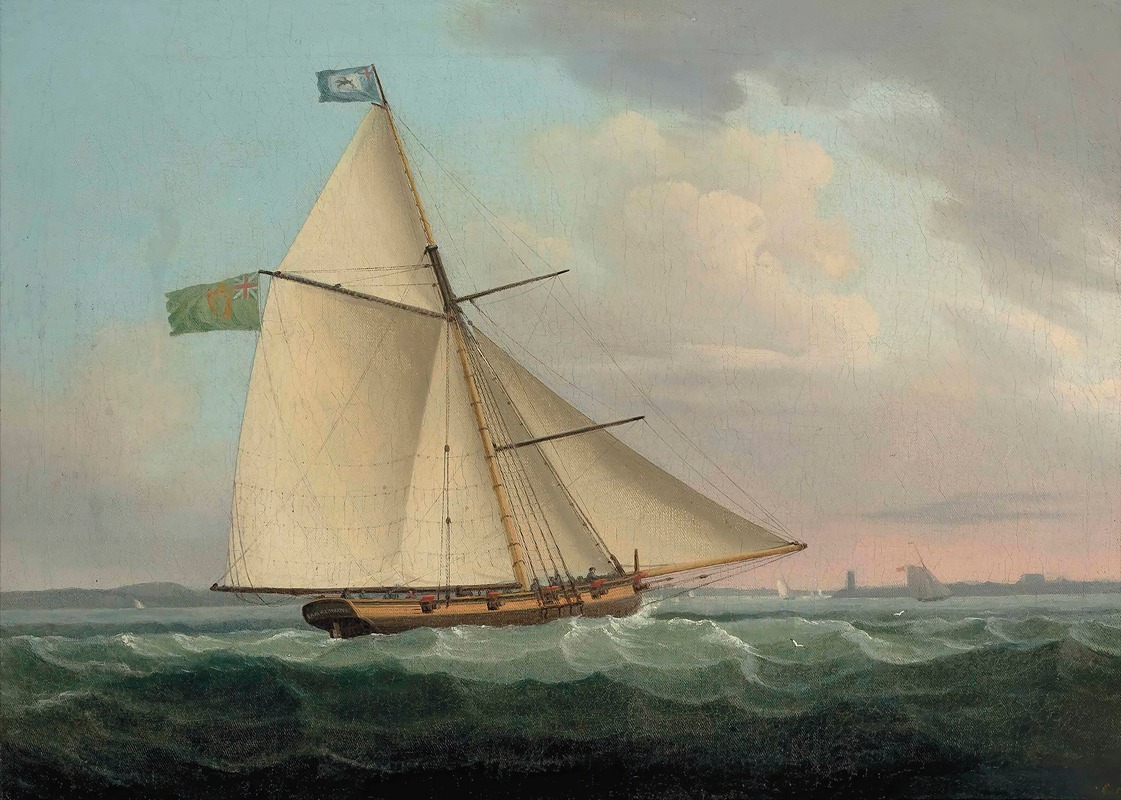
Hero image: Thomas Whitcombe, The Irish Postal Packet Earl of Leicester Approaching Hook Head at the Entrance to Waterford Harbour, 1796 · Public domain · Source
Following a Family Across Borders
Genealogy became a map of cultural transmission.
The investigation brought together family reconstruction, migration history, mercantile networks, religious affiliation and the movement of a material object. Multilingual research made it possible to follow clues whose significance would have remained hidden within a single national archive.
The importance of the case lies in the convergence: a family history helped explain the journey of an object, while the object preserved evidence of the family's relationships, beliefs and place within a wider European world.
Research in Development
Enough to reveal the method—not the unpublished conclusion.
The family identity, the statue's fuller significance and the documentary sequence supporting the continuing argument are reserved for Helena's forthcoming publication. This public case study therefore shows what the research can do without disclosing the names, sources or conclusions on which that original work depends.