I have come to think that one does not always decide to become interested in these questions. Sometimes the experiences arrive first. The people who carry them arrive next. Eventually you realise that this is another strand of a much longer historical enquiry into people, places, memory and what survives.
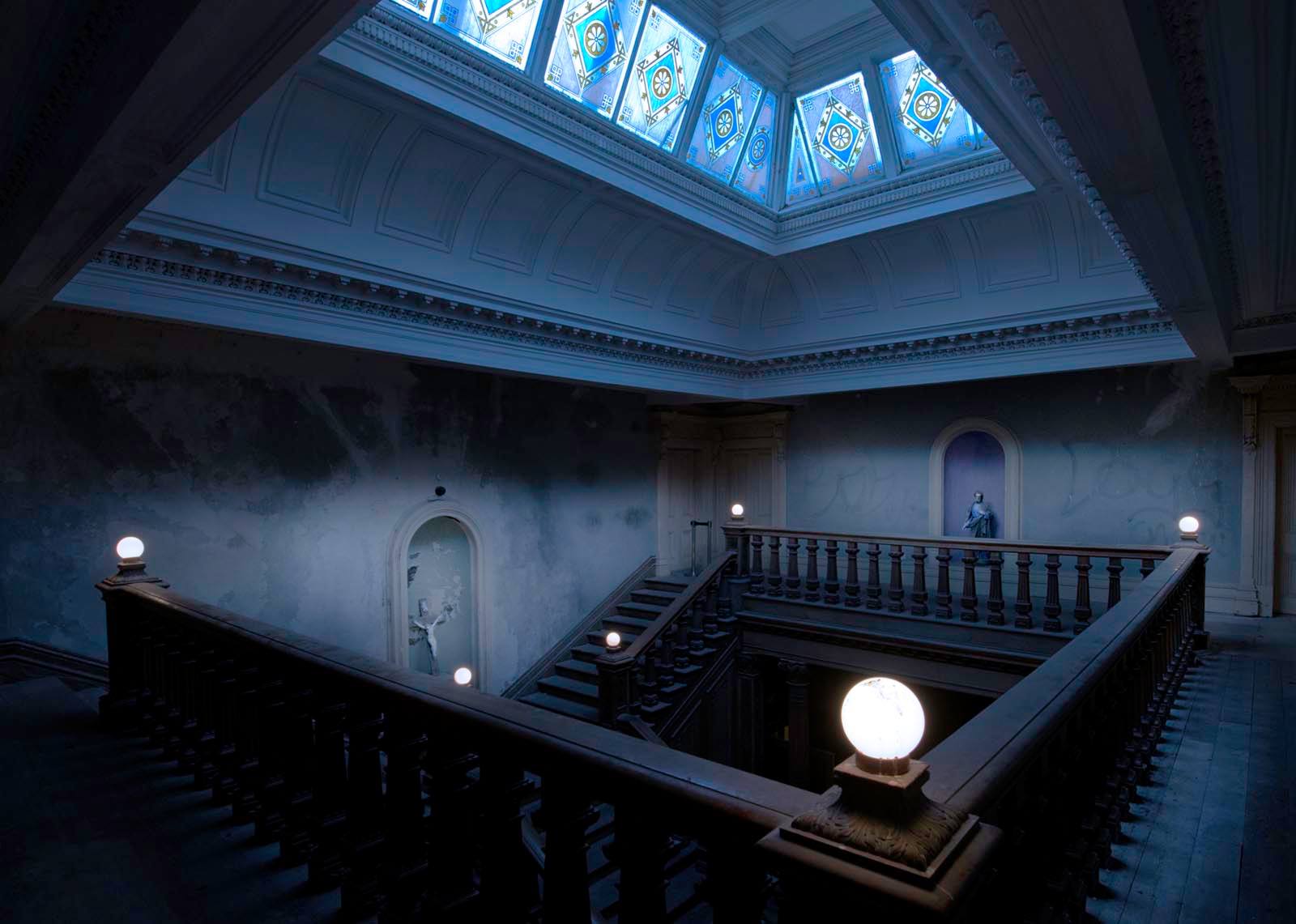
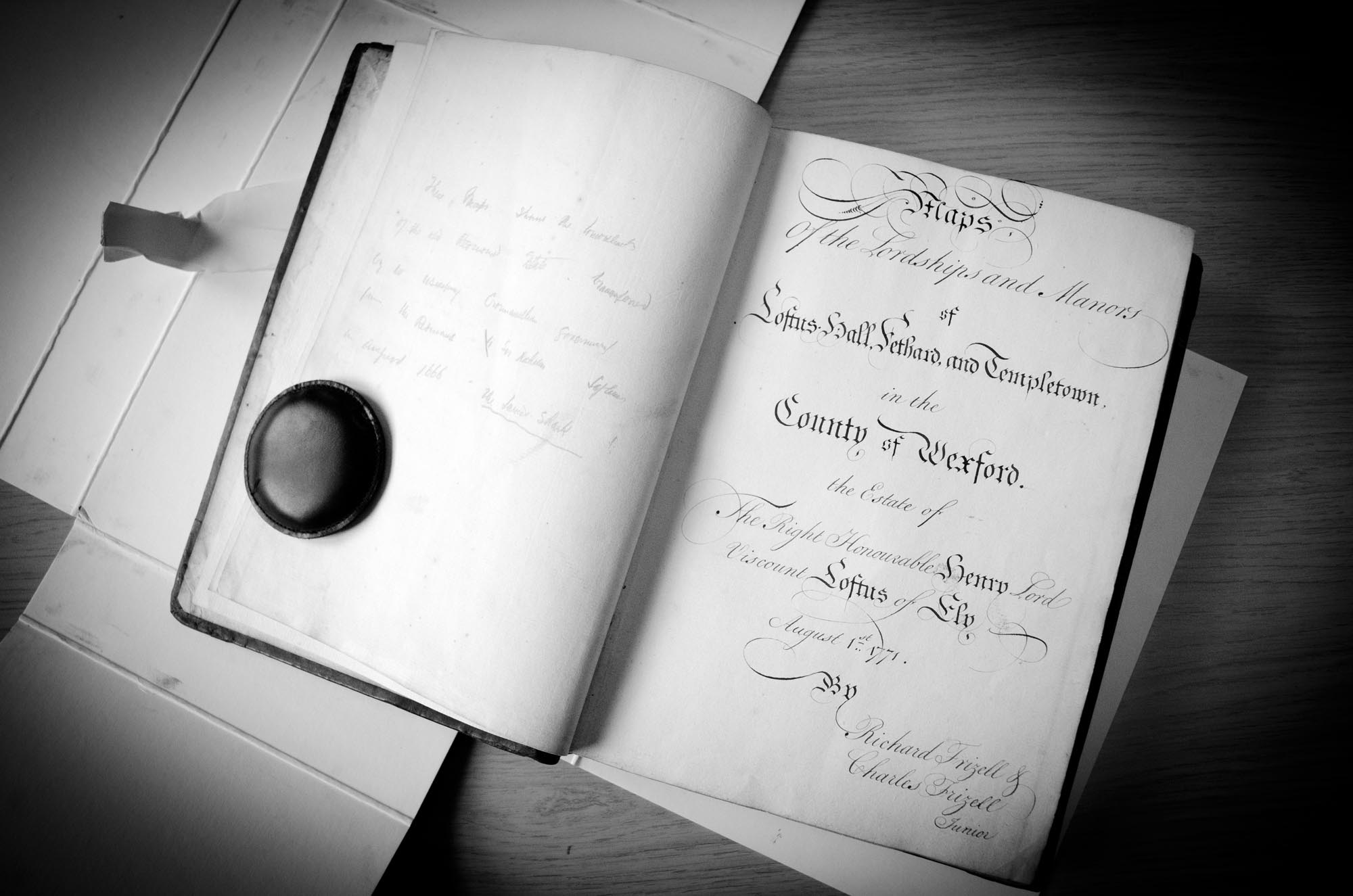
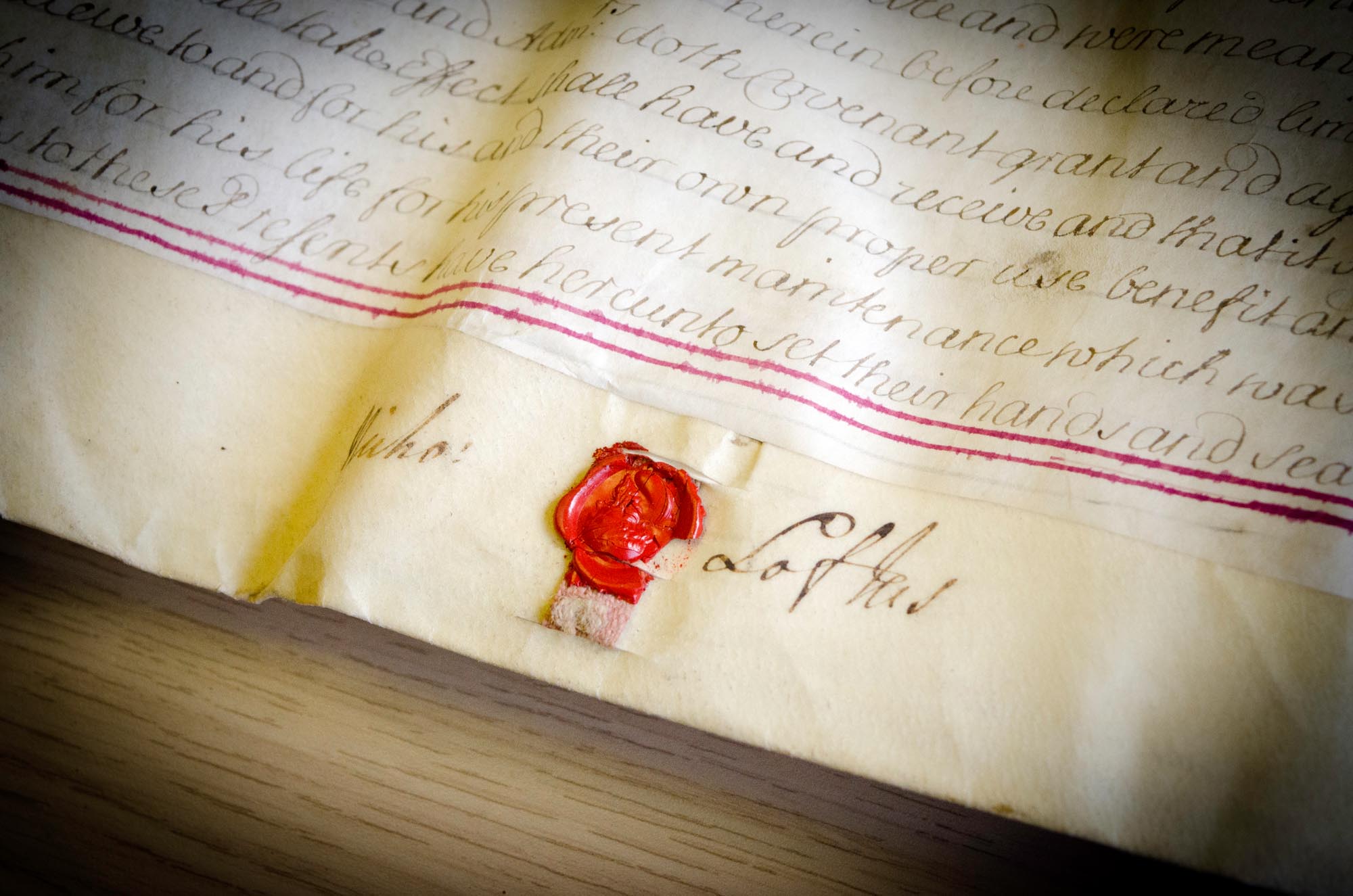
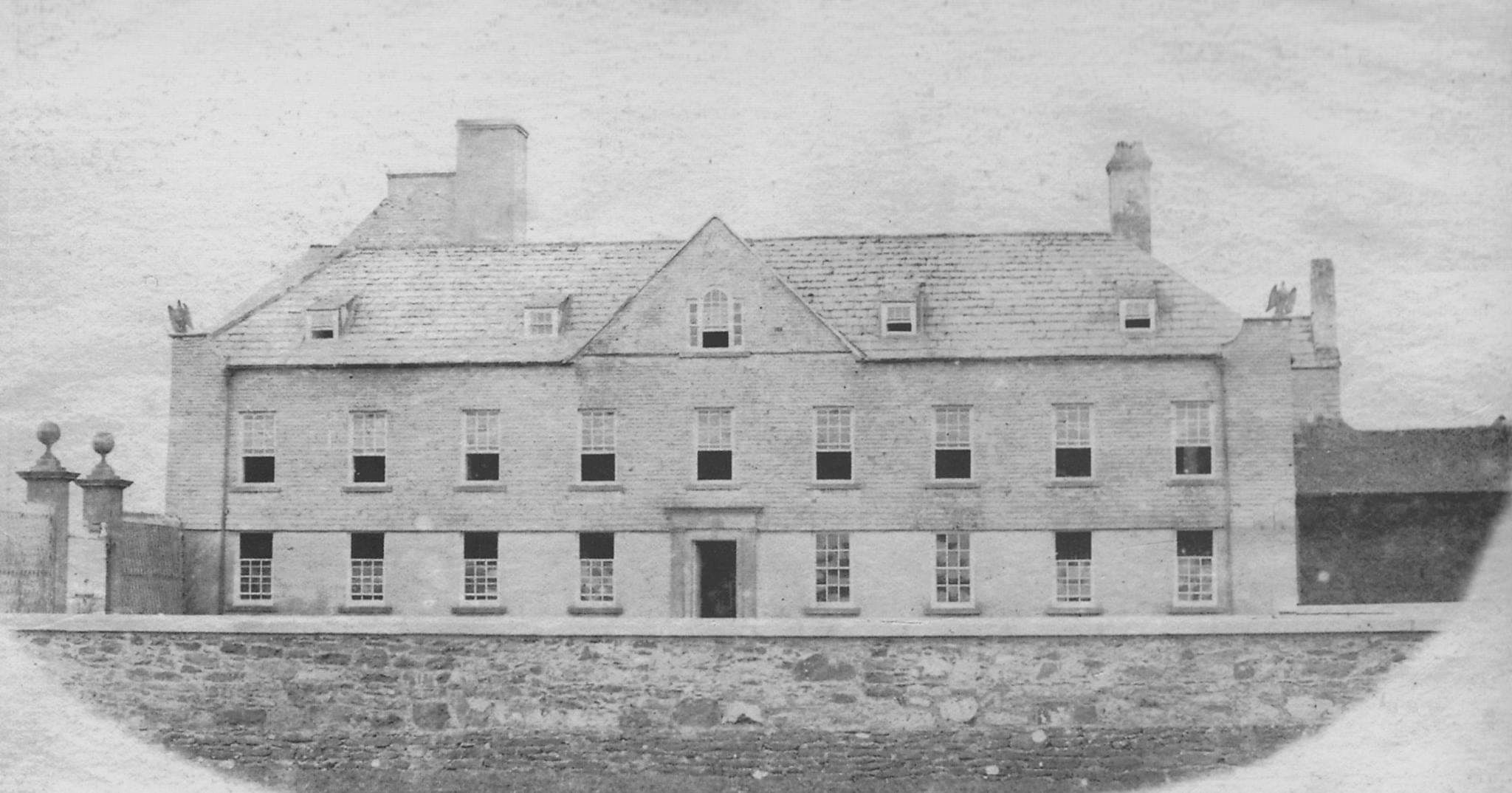
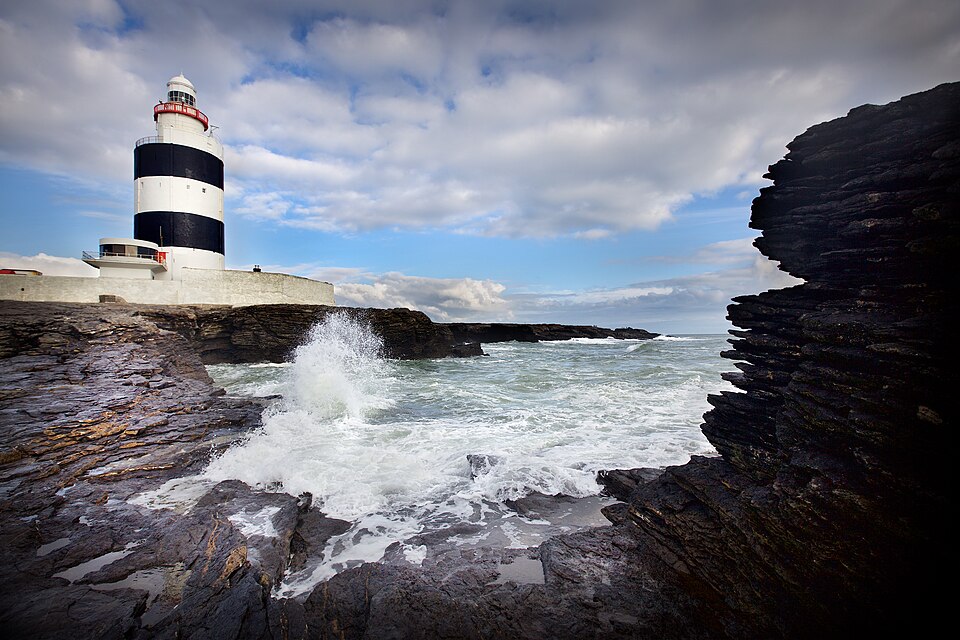
Meeting photographer and researcher Steve Myler became one of those turning points. The fuller story belongs to Loftus: The Hall of Dreams, but the sequence began in an ordinary moment: I was on my way to collect my son from summer camp when I felt drawn towards a particular grave. The surname on the stone meant nothing to me then. A few days later an email arrived from someone bearing that same surname — Steve. What followed became part of the chain of events that led us into years of shared investigation, fieldwork and archival research around Loftus Hall and the Hook Peninsula. In the book, that meeting sits within a much larger story of signs, encounters and the strange ways in which a research path can announce itself before its meaning is understood.
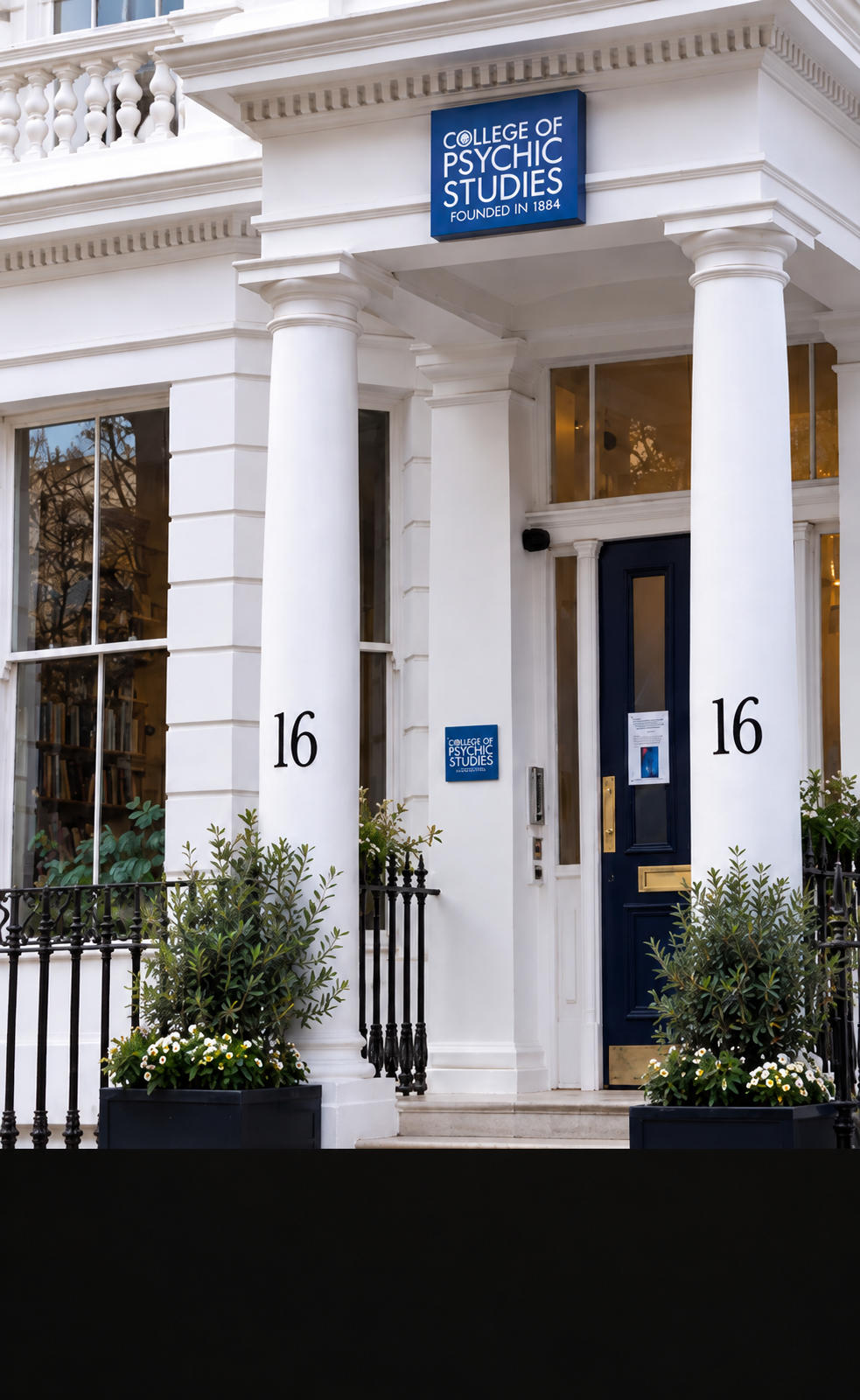
My development did not begin or end with Loftus. I trained for more than a decade at the College of Psychic Studies in London across mediumship, psychical and spiritual development and related disciplines, alongside further training at Arthur Findlay College and elsewhere. Teachers and practitioners within that longer formation have included Tony Stockwell and spiritualist medium and teacher Ann Théato, among others.
The observation about the paranormal finding you grew, in part, from a conversation in Tony Stockwell's class: however ordinary the setting — a shop, a journey, simply going about the day — people and experiences have a way of arriving. That resonated because it described something I had already lived. Formal mediumistic training gave me disciplines for approaching those experiences; historical research provided another discipline concerned with provenance, corroboration, context and evidence. Neither was asked to do the work of the other.
Until I came to Ireland, this side of my work remained private. In 2016, after meeting Steve and as the work around Loftus Hall began to unfold, I made the decision to speak publicly about experiences and abilities I had previously kept behind closed doors. There is a longer story behind that decision, one I will tell elsewhere in time.
Something I notice, even now: I can be having an entirely ordinary conversation with a stranger — in a café, on a train, at an event — and the conversation will suddenly turn. They will begin to speak about a death, a bereavement, something they saw or felt that they have never told anyone. I have long since stopped being surprised by this. I simply try to be worthy of the confidence.