Difficult Histories · Memory · Justice
Not every inheritance is comfortable.
Cultural heritage also includes histories communities have struggled to acknowledge. Public history has a responsibility to approach institutionalisation, coercion, gender, class, religion, childhood, silence and contested memory with evidence, care and respect for those whose lives form the historical record.
Ireland & Spain · Institutional Memory · Women · Testimony
Fallen Women, Stolen Futures
Helena's comparative research examines the Magdalene system through historical memory, institutional power, survivor testimony, artistic representation, activism, public commemoration and redress in Ireland and Spain. It forms part of a wider commitment to recovering silenced histories and restoring individual lives, voices and identities to the public record.
Research essay · revised publication coming soon
 ▶Watch National Museum video ↗
Artist Focus · Alison Lowry · National Museum of Ireland
(A)Dressing Our Hidden Truths
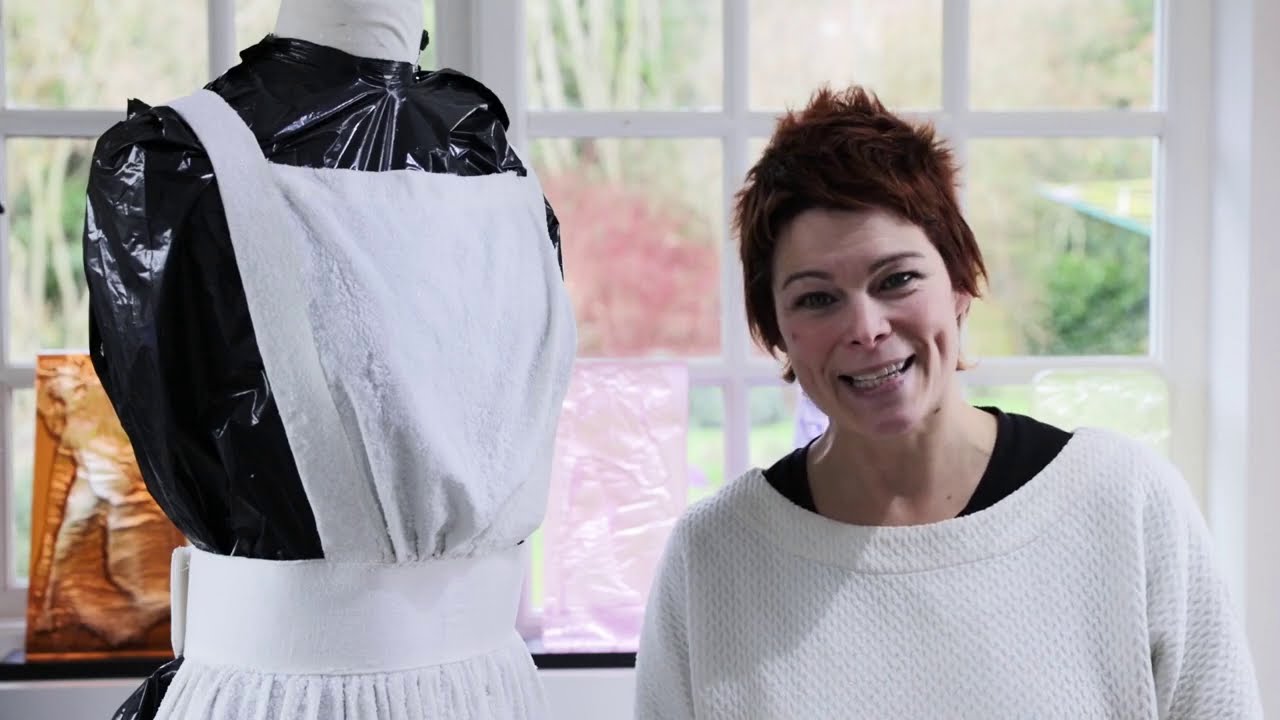
Alison Lowry's installation at the National Museum of Ireland confronts the legacies of Magdalene Laundries, Mother and Baby Homes and industrial schools through glass, clothing, testimony and absence. Her Home Babies installation suspends nine sand-cast pâte de verre christening robes in memory of the children who died at the Tuam Mother and Baby Home. For Helena, Lowry's work exemplifies what difficult heritage can do at its best: refuse comfortable distance, restore human presence to institutional histories and make remembrance emotionally unavoidable. The exhibition moves beyond the christening robes into sculptural responses to the Magdalene Laundries, survivor testimony, industrial schools, sexual violence, consent and domestic abuse. The National Museum later acquired a selection of the works for the national collection, giving these once-silenced histories a continuing institutional presence.
“I find Lowry's work extraordinary precisely because it is uncomfortable. It does not aestheticise the past into safety; it asks us to remain with what happened.” — Helena B. Scott
Explore Alison Lowry's exhibition →Artist Focus · Alison Lowry · National Museum of Ireland
(A)Dressing Our Hidden Truths
Alison Lowry's installation at the National Museum of Ireland confronts the legacies of Magdalene Laundries, Mother and Baby Homes and industrial schools through glass, clothing, testimony and absence.
Her Home Babies installation suspends nine sand-cast pâte de verre christening robes in memory of the children who died at the Tuam Mother and Baby Home. For Helena, Lowry's work exemplifies what difficult heritage can do at its best: refuse comfortable distance, restore human presence to institutional histories and make remembrance emotionally unavoidable. The exhibition moves beyond the christening robes into sculptural responses to the Magdalene Laundries, survivor testimony, industrial schools, sexual violence, consent and domestic abuse. The National Museum later acquired a selection of the works for the national collection, giving these once-silenced histories a continuing institutional presence.
“I find Lowry's work extraordinary precisely because it is uncomfortable. It does not aestheticise the past into safety; it asks us to remain with what happened.” — Helena B. Scott
Explore Alison Lowry's exhibition →Why this history matters
The stigma attached to unmarried and single motherhood is not only a historical subject.
Helena became pregnant outside marriage, subsequently married, and later left an abusive relationship rather than raise her child within an abusive home. As a single mother she has since raised her son entirely on her own. That experience — and the persistence of moral judgement around single motherhood — gives this history a personal proximity and helps explain why the recovery of women's voices, children's identities and the mechanisms of social exclusion is an enduring part of her public-history work.
It also forms part of the path that led Helena toward psychology and later wellbeing work: first as a means of understanding patterns of abuse and survival in her own life, and subsequently as a way of helping others make sense of difficult experience. Across history, psychology and heritage, the connecting question is similar: what happens when experiences that have been silenced are finally given language?
The legal distinctions were not uniquely Irish. In England and Wales the Legitimacy Act 1926 allowed some children born outside marriage to become legitimate after their parents subsequently married, subject to significant restrictions. The Irish Free State enacted a comparable Legitimacy Act in 1931. In Ireland, the Status of Children Act 1987 went much further.
Status of Children Act 1987 · Ireland
“An Act to equalise the rights of children…”
Section 3 required relationships to be determined “irrespective of whether his father and mother are or have been married to each other.” That such an equalising statute was still necessary in 1987 is itself part of the social history this research examines.
The chronology of marriage law is similarly recent. Ireland's constitutional prohibition on divorce survived until the narrowly passed referendum of November 1995; the Family Law (Divorce) Act followed in 1996 and came into operation in 1997. These dates do not by themselves explain the treatment of unmarried mothers, but they show how long marital status remained embedded in the State's legal and social architecture.
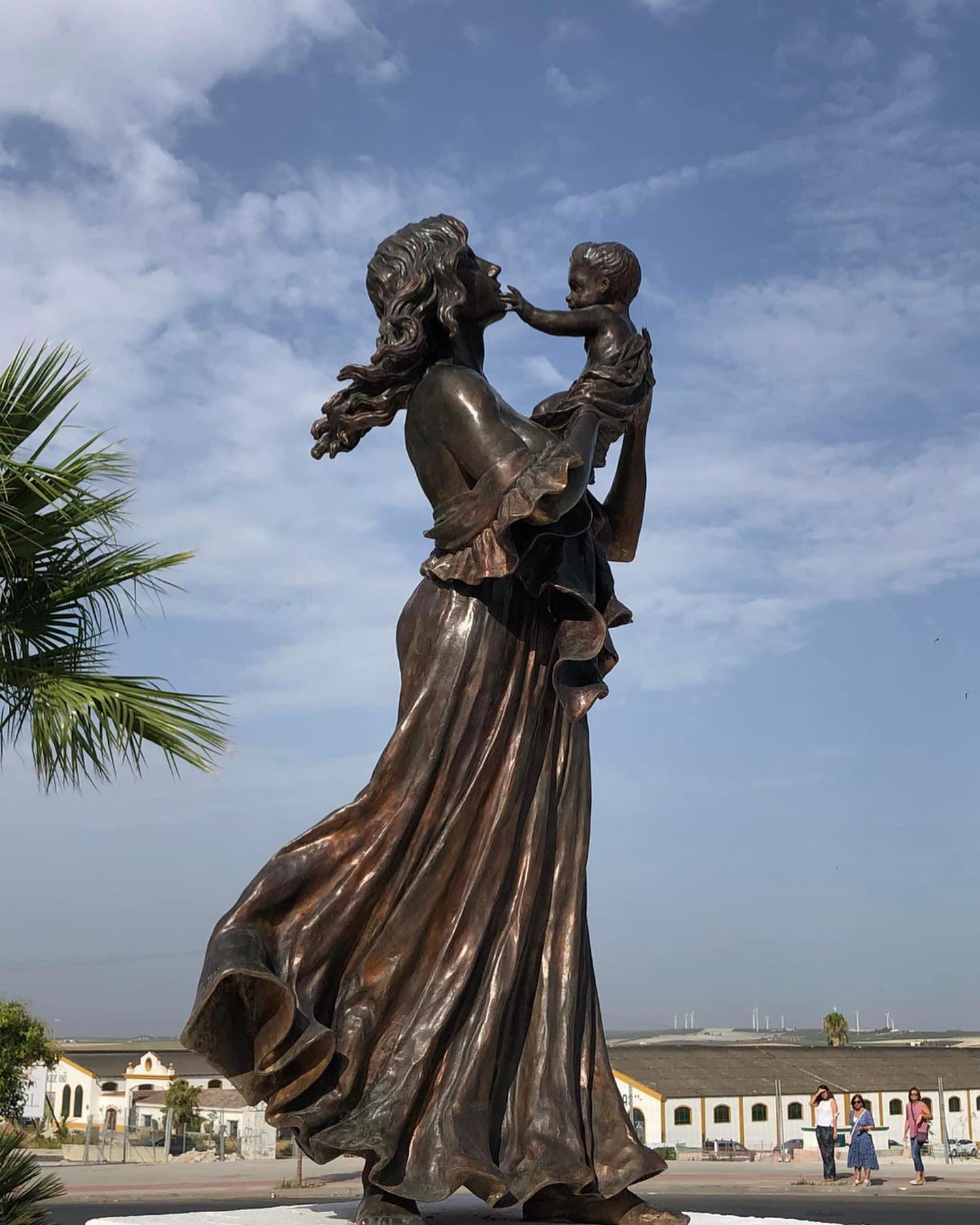
Ángel Pantoja · Monumento a SOS Bebés Robados · Jerez de la Frontera, 2022 · photograph reproduced from the artist's public Facebook page in Helena B. Scott's original MA essay · click to enlarge
Spain · Public Memory · Stolen Babies
A monument where absence becomes public memory
Helena used this monument as the closing image of her MA essay Fallen Women, Stolen Futures. Installed near the hospital in Jerez de la Frontera in 2022, Ángel Pantoja's bronze mother and child was created for SOS Bebés Robados Jerez and became the first Spanish monument dedicated to this struggle. The artist deliberately chose tenderness — a mother lifting her baby toward her face — against the painful history of families who say their newborn children were taken from them.
Because Helena's essay compares Ireland and Spain, the sculpture gives the page an important transnational counterpoint to Alison Lowry's Irish work: different histories and different artistic languages, but the same public-history question of how societies create places in which silenced loss can finally be acknowledged.
Historical Recovery · The Voiceless of History
Giving the voiceless back their voice
This is one reason Helena describes her wider practice as historical revisionism: not revision for its own sake, but a return to evidence when inherited narratives have obscured, simplified or excluded human lives. Women, children, local communities, religious minorities, the poor, the institutionalised and others with limited power to create or preserve official records can become the voiceless of history — and therefore too easily its victims.
Helena's work approaches those absences through archives, archaeology, oral testimony, material culture, folklore and community memory, recovering evidence and restoring complexity where inherited histories have flattened it.
History is not only the record left by those who held power. Public history can also ask who was prevented from leaving one.
The Deep Feminine Wound · Cultural Interpretation
When a culture exiles the feminine
Alongside the historical record, Helena also approaches these histories through a Jungian and cultural lens. Drawing in part on Marion Woodman's work on the neglected feminine, she uses the idea of a deep feminine wound to describe a cultural imbalance that can be carried by women and men alike: the devaluation of embodiment, receptivity, relationship, care and forms of feminine authority.
Within Christian Europe, particular theological and institutional traditions contributed at different periods to the policing of women's sexuality and to the marginalisation of older female sacred forms. The Magdalene institutions make one historically specific expression of that problem painfully visible. Helena's developing Dark Mother work places these histories within a longer inquiry into the cultural consequences of exiling the feminine, drawing together social history, gender, institution, theology and cultural memory.
Burial · Exclusion · Memory
Children at the margins of consecrated ground
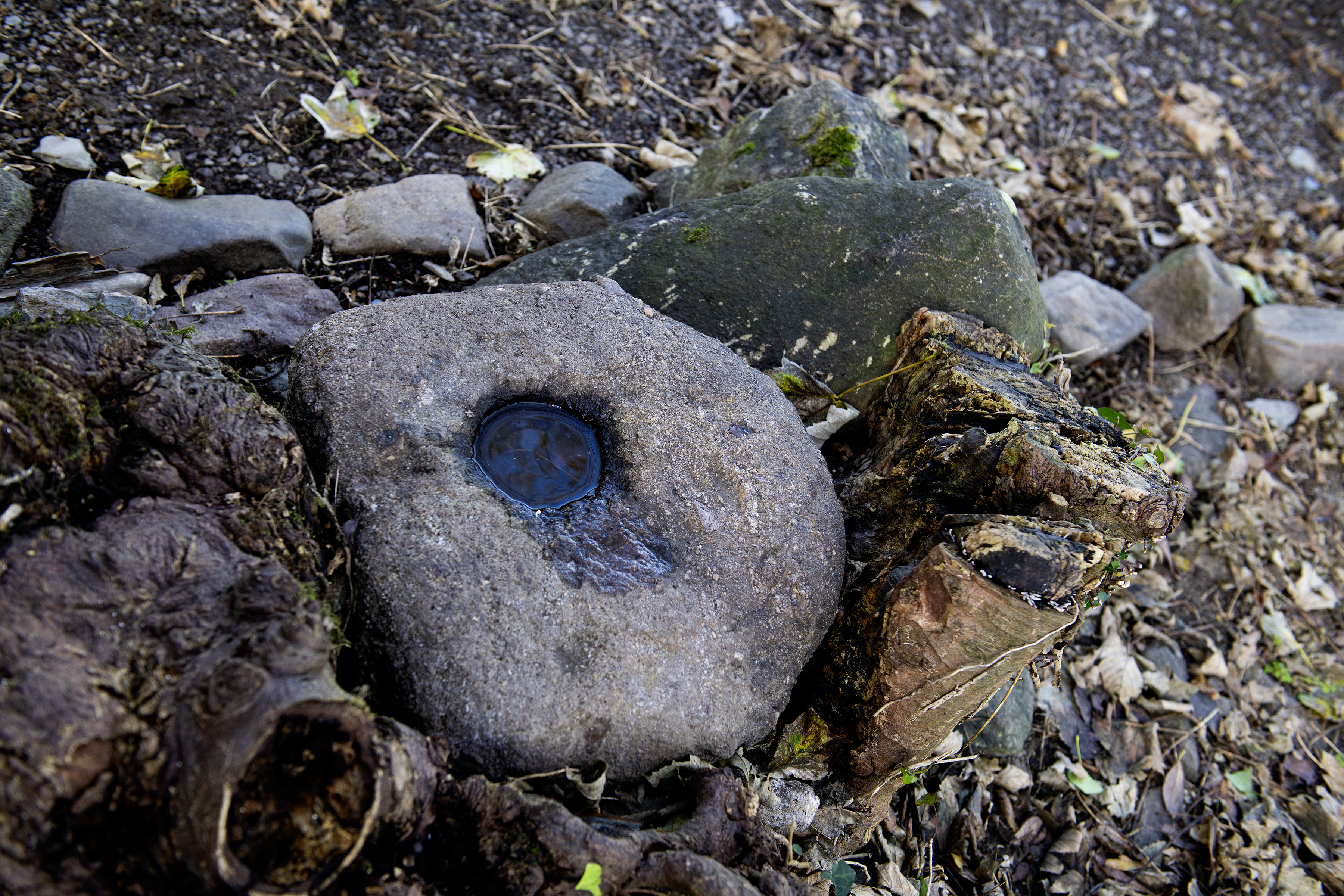
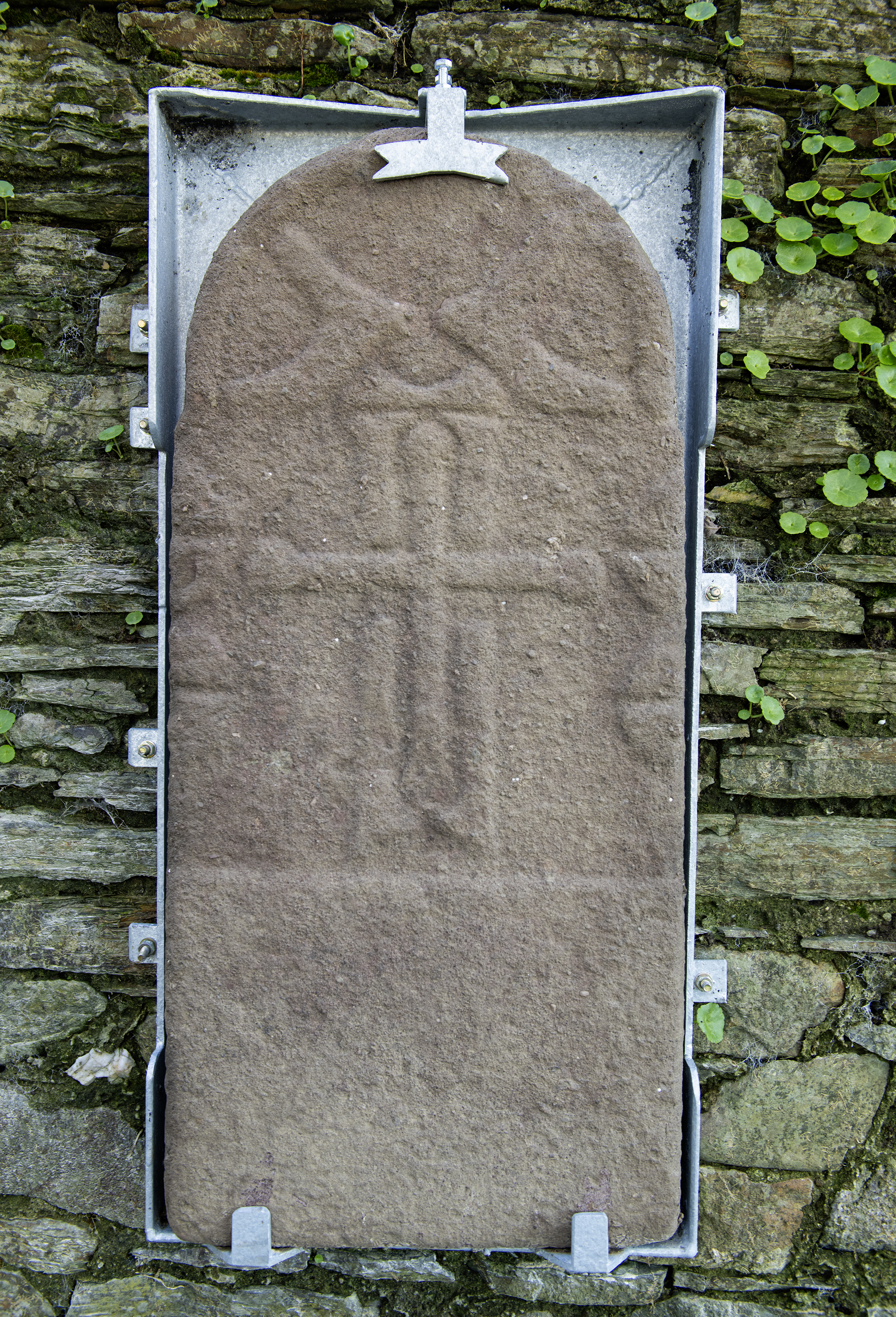
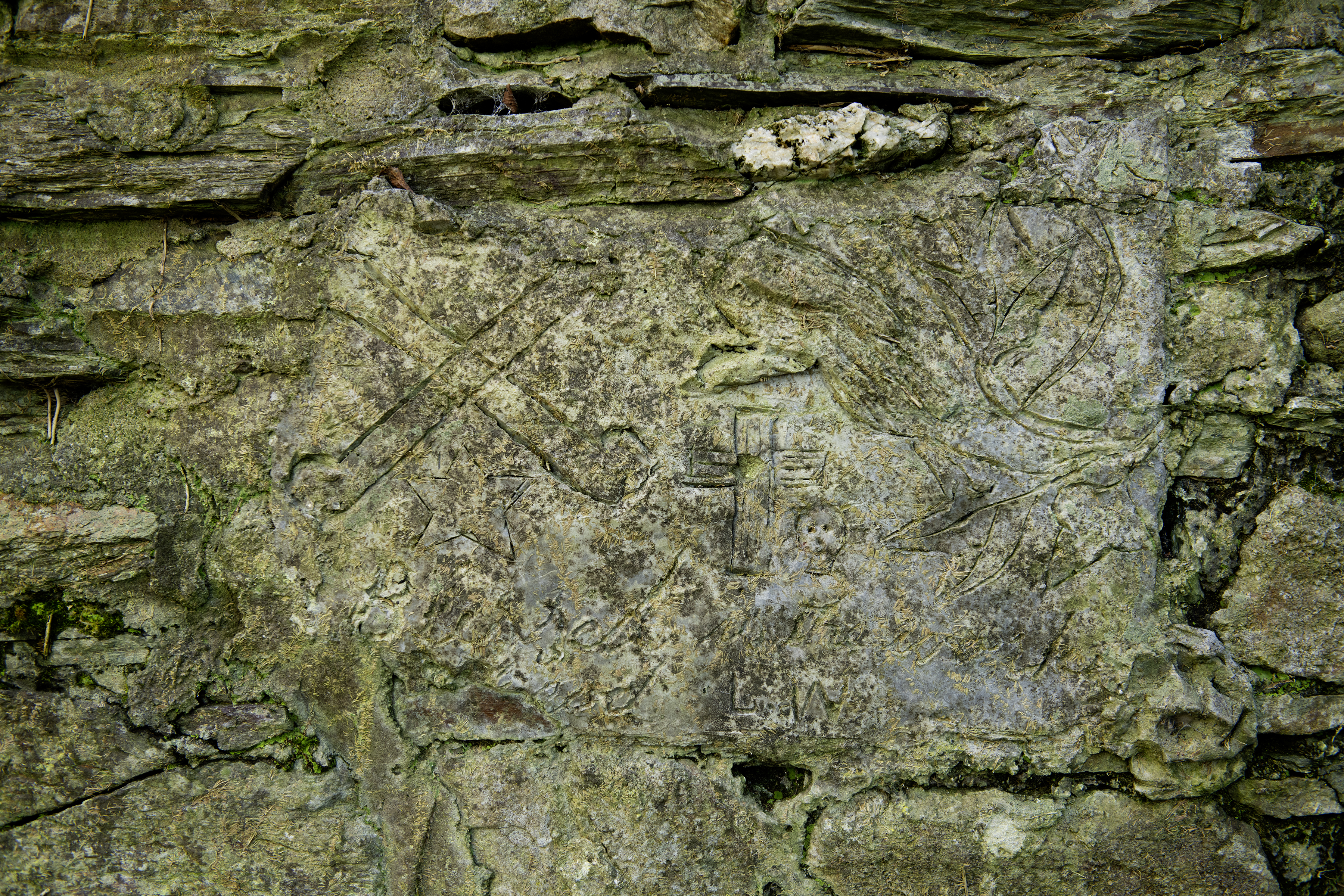
Archaeology, folklore and local memory document the widespread Irish practice of burying unbaptised infants in cillíní and other marginal or repurposed places outside ordinary parish burial. These landscapes turn theological and social exclusion into material evidence — often preserved through community memory until archaeological or historical research records them.
Loftus Hall · Anne Tottenham · Historical Interpretation
What a ghost story may be hiding
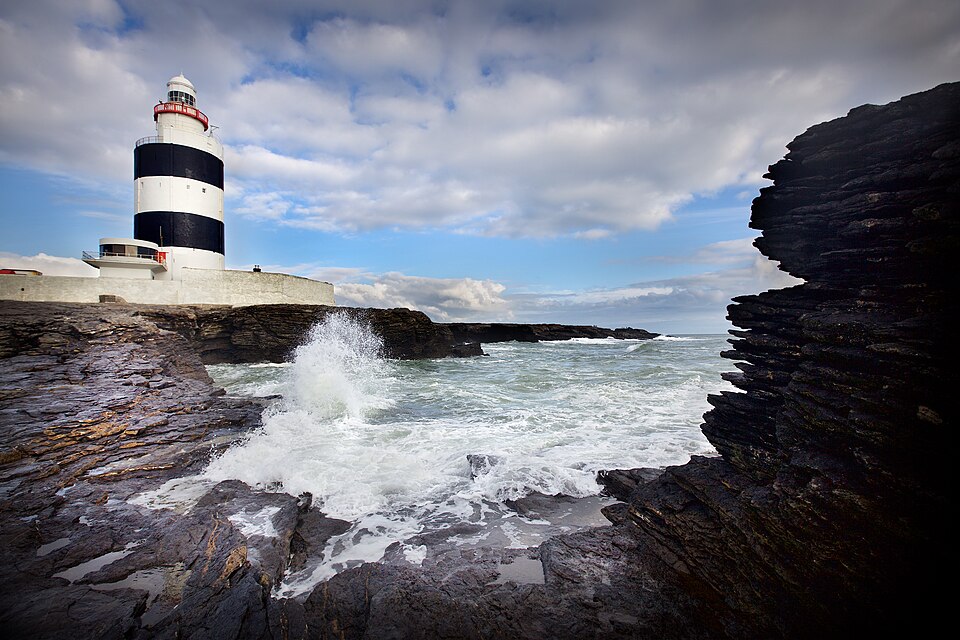
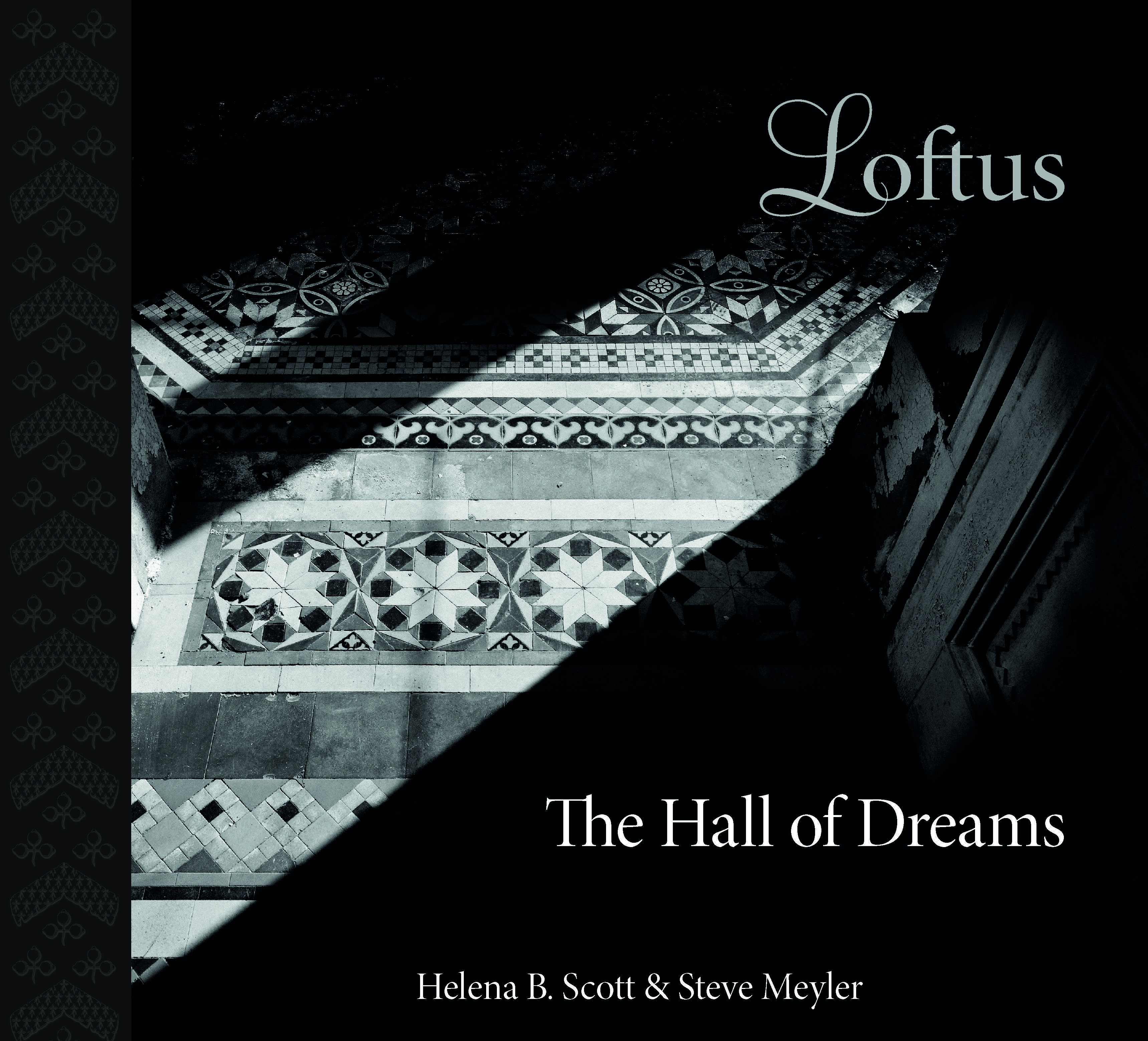
In Loftus: The Hall of Dreams, Helena explored the longstanding tradition that Anne Tottenham became pregnant outside marriage and that an infant's remains were later found behind the Tapestry Room wall. The identification of those remains with Anne's child is a historical interpretation rather than an established archaeological fact. Read beside Ireland's documented histories of concealed pregnancy, infant exclusion and marginal burial, however, the legend raises a more serious public-history question: what social realities can become disguised when painful histories survive primarily as folklore?
Explore the Loftus research →