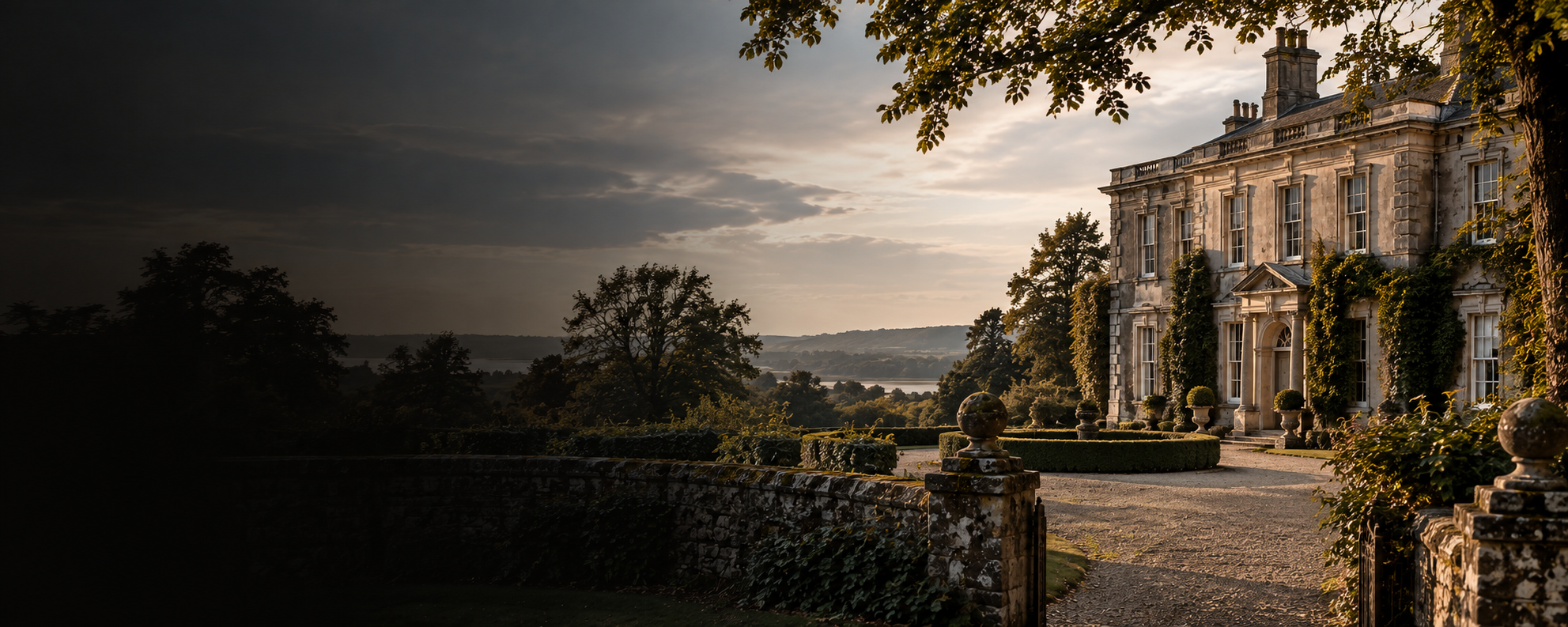
Every property has a biography. A house, estate, hotel, institution, historic site or other significant building is more than its date of construction or architectural style: it is the accumulated story of people, ownership, materials, alterations, objects, landscape and memory. Helena reconstructs that deeper biography through documentary research and close attention to the physical place itself.
The work can begin with a private owner wanting to understand the home they live in, but it can equally support estate agents and historic-property specialists, museums and heritage organisations, hotels and hospitality, universities and institutions, conservation or tourism projects. The purpose shapes the research: personal discovery, provenance, property presentation, interpretation, an exhibition, a tour, a website, or a substantial commissioned history.
This is a specialist heritage and provenance service, positioned between conventional property history, archival research, material-culture study and interpretive storytelling. Helena's approach is unusually interdisciplinary: archival and genealogical research can be read alongside architectural development, archaeology and landscape, historic maps and deeds, decorative programmes, heraldry and symbolism, masons' marks and historic graffiti, folklore and community memory, and sacred geography or the history of belief and ritual where the evidence makes those questions relevant. It is designed for properties whose significance cannot be captured adequately by a standard architectural description or sales history.
The €250 initial property consultation, available by Zoom and lasting up to two hours, establishes the property or site, the questions, intended use and likely sources. Any subsequent research, fieldwork, archival costs, interpretation, design or finished publication is individually scoped and quoted.
Helena's method begins with the property itself. Whenever possible, she deliberately undertakes no prior research before her first visit. She does not want a known history, former occupant, event or existing interpretation to condition what she notices or lead her to search unconsciously for something she has already read. Instead, she enters the building and grounds without a predetermined narrative and allows the property to “speak” first — through its architecture, material details, atmosphere and landscape, but also through the intuitive or psychical impressions she may receive while there, including information perceived through her clairs. She records what attracts her attention, what she feels and any impressions or messages that arise without trying to force them into an explanation. Only after leaving the property does the documentary investigation begin. Back at home, those first impressions often guide the questions she takes into maps, archives, genealogy, newspapers, architectural history and other records. The subsequent research is kept distinct from the original intuitive experience, allowing correspondences, contradictions and unexpected discoveries to emerge rather than being assumed in advance. For Helena, the property is not simply the subject of the research; it is the first source.
This work is available internationally. Much documentary research and consultation can be undertaken remotely; archival visits, specialist photography and fieldwork can be scoped separately where direct examination of the property or site would materially deepen the study.
Research With a Purpose
Some Properties Are Sold by Space. Others Are Remembered by Story.
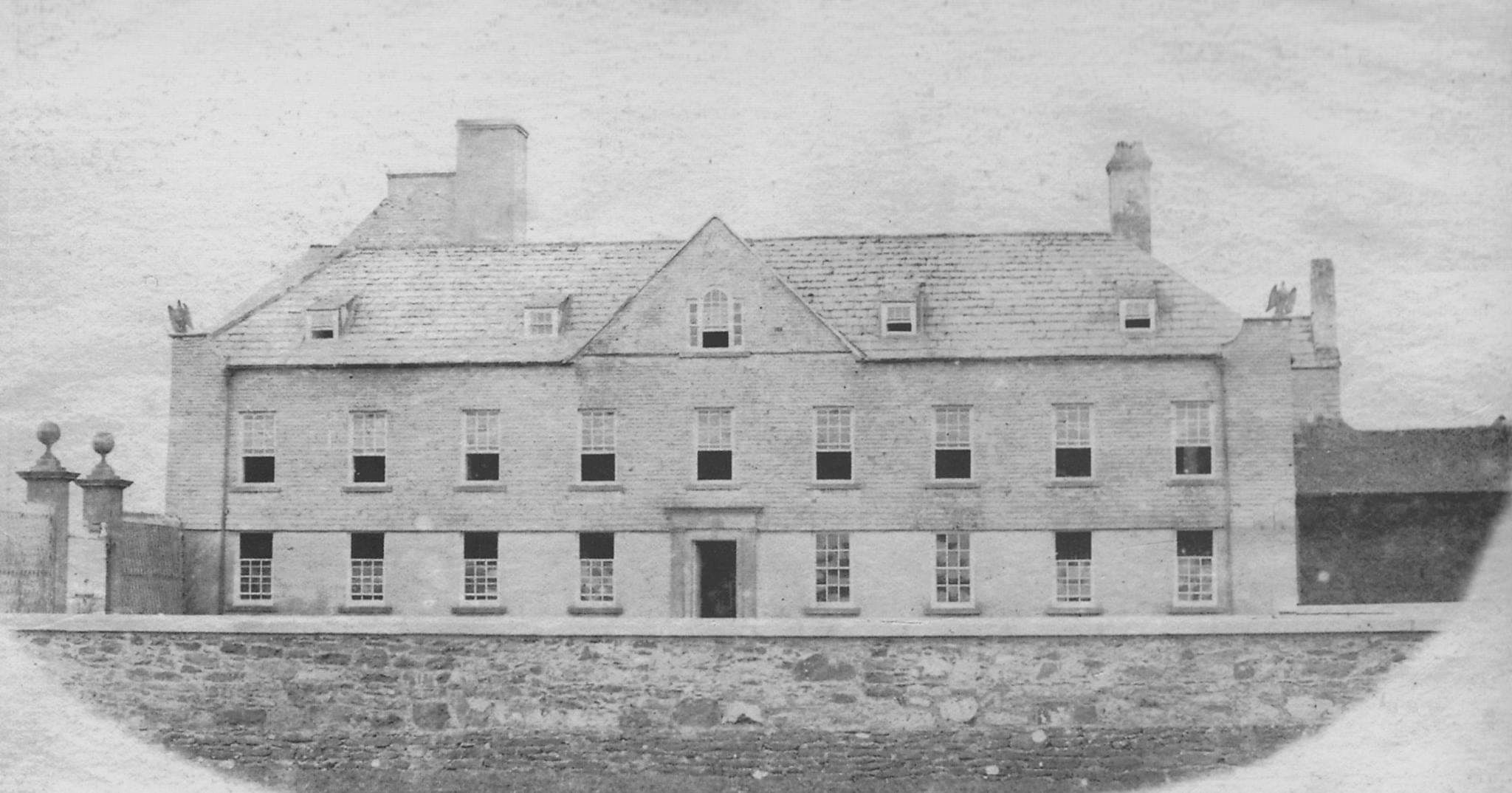
For the property profession, a carefully researched history can become part of the value and identity of a significant house. A Georgian residence, country estate, castle, former rectory, townhouse, mill or unusual historic building may contain stories that a conventional sales description cannot recover: former owners and family networks, architectural change, historic land use, surviving craftsmanship, symbols, local associations and events that place the property within a much larger cultural landscape.
Helena can undertake the research behind a property provenance and presentation dossier, giving estate agents, owners and property professionals credible material from which to develop premium brochures, editorial campaigns, viewing material or the long-form story of an important listing. For an exceptional property, this provides something beyond ordinary marketing copy: a researched account of what makes this particular house historically and culturally distinctive. Research is documented and source-led; compelling narrative is never created by turning assumption into fact.
For museums, historic houses, churches, heritage sites and institutions, the same research can form the foundation for exhibitions, interpretation panels, tours, digital storytelling, educational material and visitor experiences. The result is not simply information about a building, but an interpretation of why its people, material culture, architecture and symbols matter.
The Finished Profile
Research Made Tangible
A commission can culminate in a beautifully presented illustrated digital or print-ready dossier, booklet or extended property biography. Depending on scope and surviving evidence, it may bring together a narrative history, chronology, historic maps, archival images, ownership and family material, architectural observations, photographs of significant details, discoveries made during the research, source notes and bibliography.
The finished work can remain a private record for a family or owner, accompany the presentation and sale of a significant property, or become the research foundation for public interpretation. Larger commissions may develop into exhibition research, heritage content, visitor material or a substantial publication.
Possible Outputs
—Historic Property Profile
—Property Provenance & Family Study
—Property Story for Sale or Presentation
—Heritage Interpretation Dossier
—Exhibition or Visitor-Experience Research
—Full Historic Property Biography
Research Grounded in Material Evidence
Previously Unrecorded Archaeology — Identified, Reported & Confirmed
At Kilbarry, Co. Waterford, Helena's field research for her MA led to the identification of previously unrecorded archaeological material. She formally reported the findings to Ireland's National Monuments Service; the discoveries were subsequently confirmed and entered into Ireland's archaeological record, with Helena B. Scott recorded as both identifier and reporter.
That ability to read a place closely — its stonework, marks, surviving fabric, landscape and material traces — is central to Historic Property Profiling and extends naturally to heritage sites, historic buildings and archaeological landscapes as well as private homes and estates.
For a client, that means the research does not begin and end with what is already written about a property. Helena brings a trained historical eye to the place itself, looking for overlooked evidence, connections and significance that may not yet have found their way into the accepted story. At Kilbarry, that close attention resulted in previously unrecorded archaeology entering the national record; at Loftus Hall, it helped reveal a previously overlooked Masonic dimension to the house and its family history. It is this combination of original observation, rigorous research and interpretive depth that Helena brings to every historic property or heritage site she is commissioned to investigate.
Ireland's National Monuments Record
Three archaeological features identified and reported by Helena B. Scott at Kilbarry Knights Templar Graveyard, Waterford — once part of the Kilbarry Knights Templar Preceptory and its associated lands — were confirmed by Ireland's National Monuments Service and entered into the public record with assigned record numbers, with Helena recorded as both identifier and reporter.
Kilbarry Knights Templar Graveyard · Waterford
Norse Cross Graveslab · Bullaun / Spudstone · Masonic Graffiti
MA Research
From medieval Crusades to modern communities: Interpreting the history of the Knights Templar at selected heritage sites in Ireland's south-east
Helena B. Scott · University of Limerick · 2025
Ireland National Monuments Record Evidence · Click an image to enlarge
Case Study · Dayton, Ohio, USA
The House That Made Me Stop
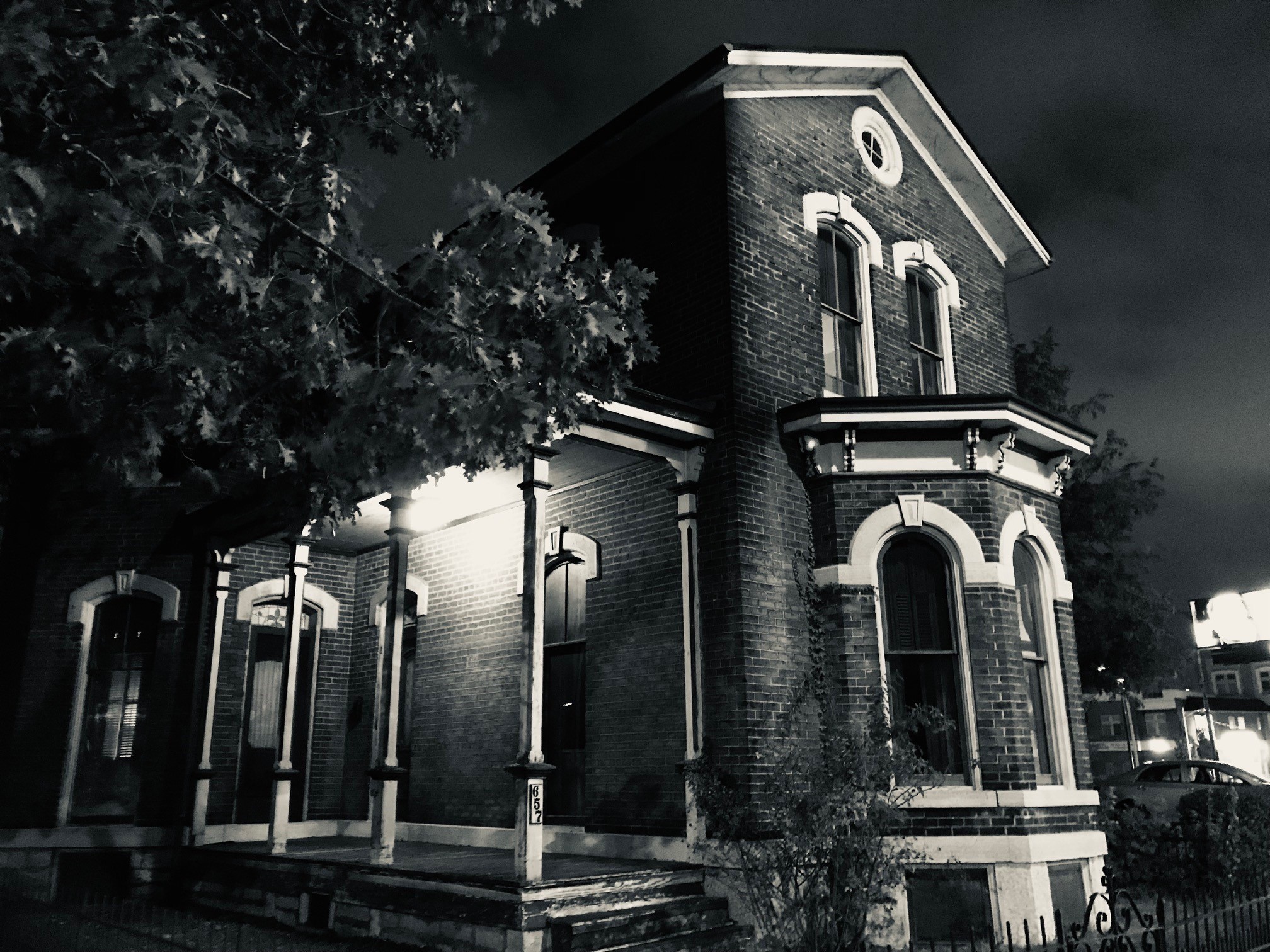
In 2018, before knowing its history, Helena stopped at an unfamiliar Dayton house because the property itself — and particularly a weathered stone hitching post — caught her attention. Only afterwards did the research begin, identifying the Kelly Family Home, 657 South Main Street, an Italianate residence built in 1876, and leading into the story of the Great Dayton Flood of 1913.
The full case study brings Helena's 2018 field photographs together with the historic flood image and shows how surviving architecture and boundary details can be read against the documentary record.
Explore the Kelly Family Home Case Study →Begin With the Property
Initial Property Consultation · €250
For private owners, property professionals and organisations. The initial consultation can be held by Zoom and lasts up to two hours. It establishes the property or site, what is already known, the questions you want answered, the intended use of the research and the appropriate scope. Helena can then provide a bespoke proposal and quotation for any further documentary research, archival work, fieldwork, interpretation, design or finished property profile required.
Where the project calls for it, Helena can subsequently visit the property to inspect and photograph the building and grounds, record significant surviving features and undertake field observation. Site visits, travel and documentary photography form part of the bespoke commission that follows the initial consultation and are scoped according to the property and project.
For estate agencies and property professionals working regularly with period, country or historic homes, ongoing professional packages can also be developed. These may bring together provenance and historical research, site visits, documentary photography and carefully researched property narratives or interpretive material for premium presentation and marketing. Where an ongoing relationship is established, the initial consultation can be incorporated into the agreed package rather than treated as a separate stage each time.
€250 · Up to two hours · Zoom available.