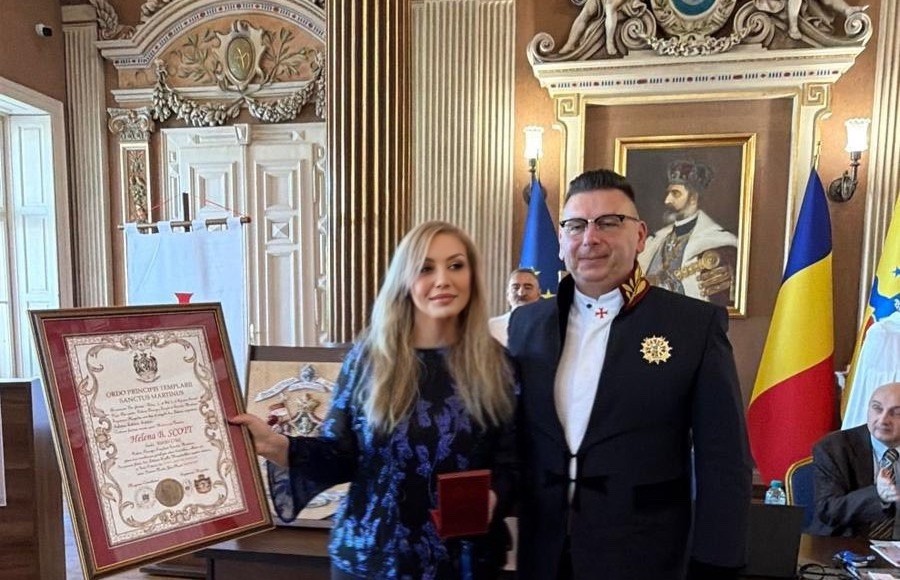
Helena B. Scott
Why the Knights Templar Still Matter
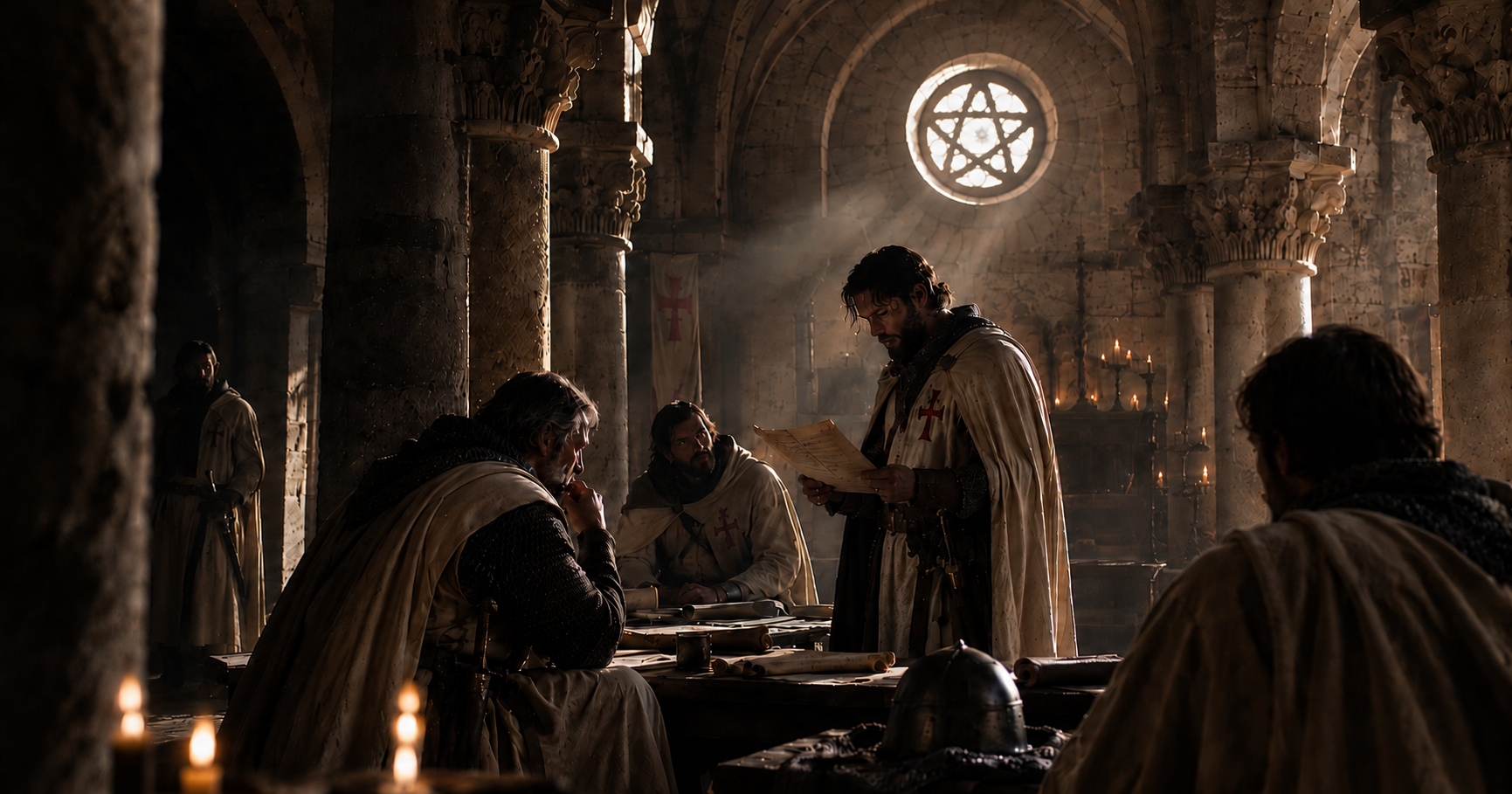
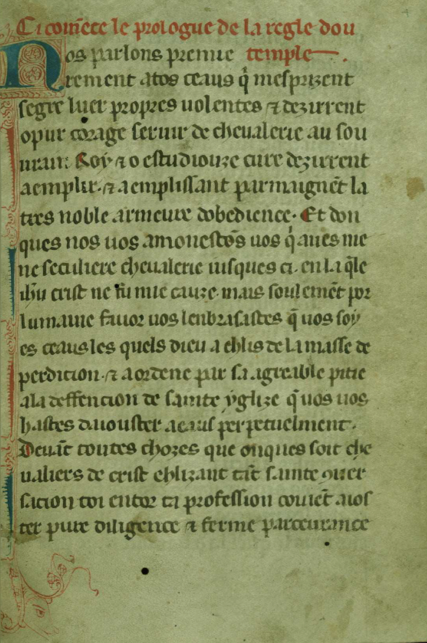
 he Knights Templar are among history's most recognised—and most misunderstood—medieval orders. For centuries they have inspired stories of lost treasure, secret knowledge and hidden mysteries, yet their true legacy reaches far beyond myth. Their history is woven into the landscapes we walk, the churches and castles that still stand, the archaeological traces beneath our feet and the communities whose memories continue to preserve their story. To study the Templars is to explore the medieval past and discover how history continues to shape who we are today.
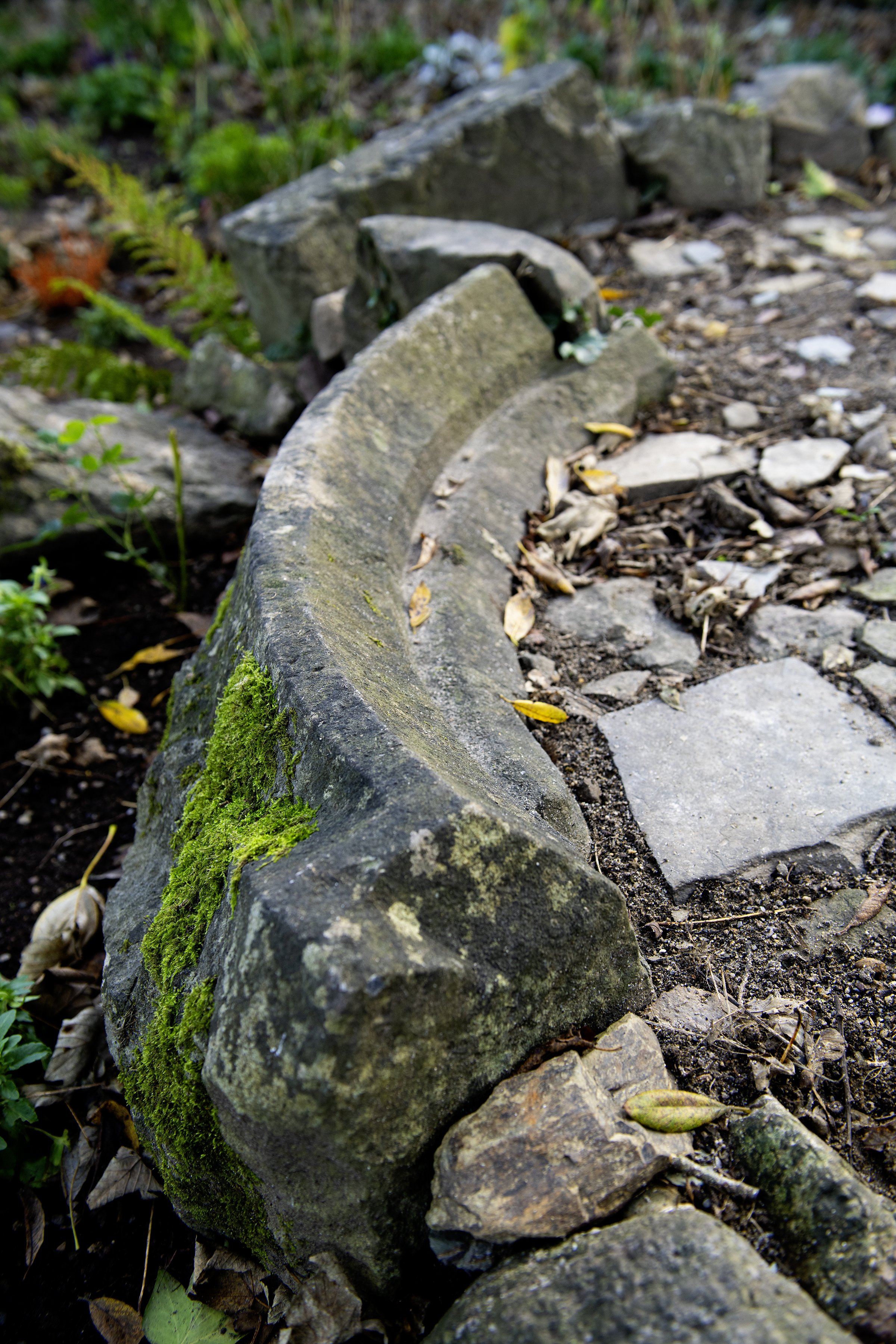
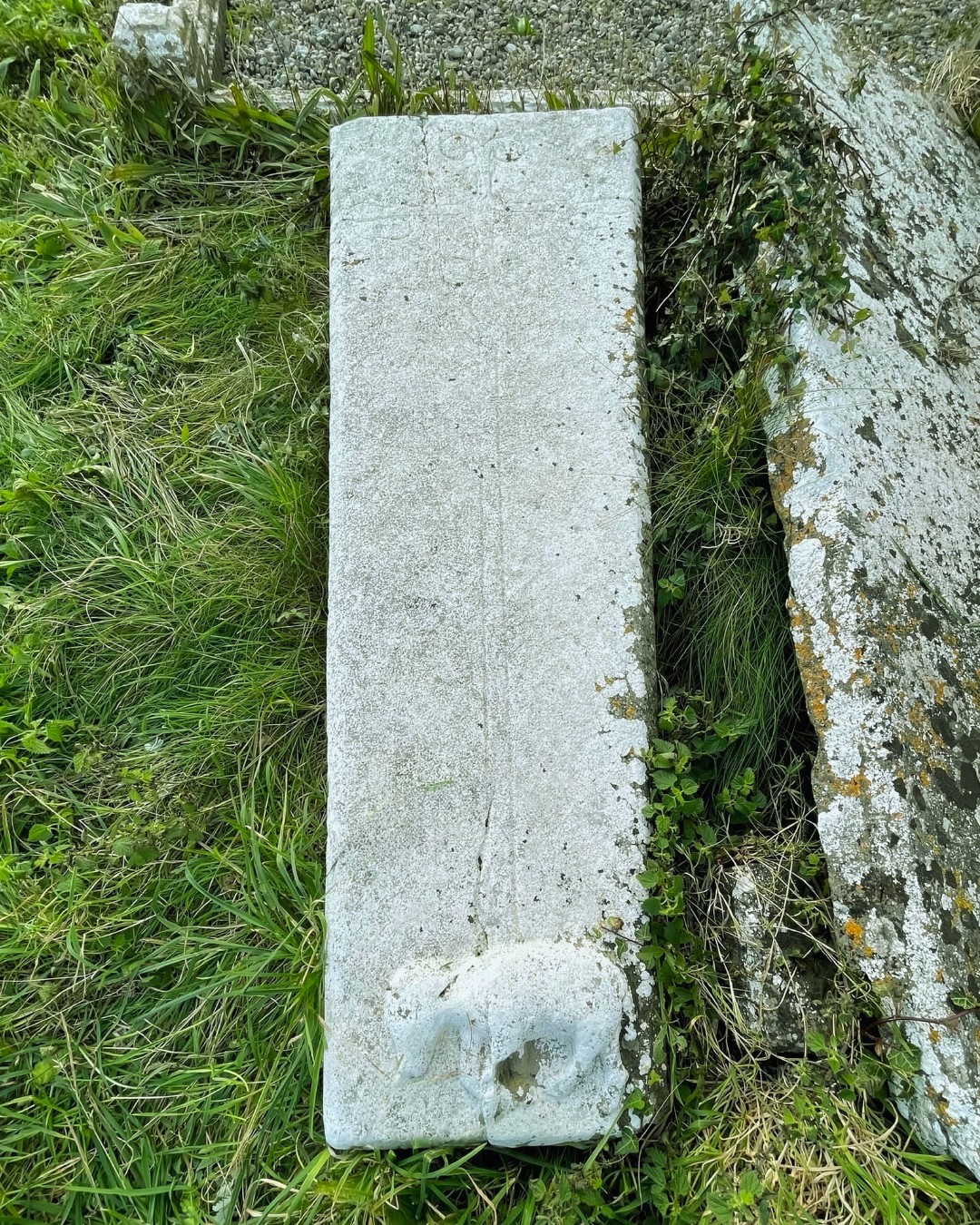
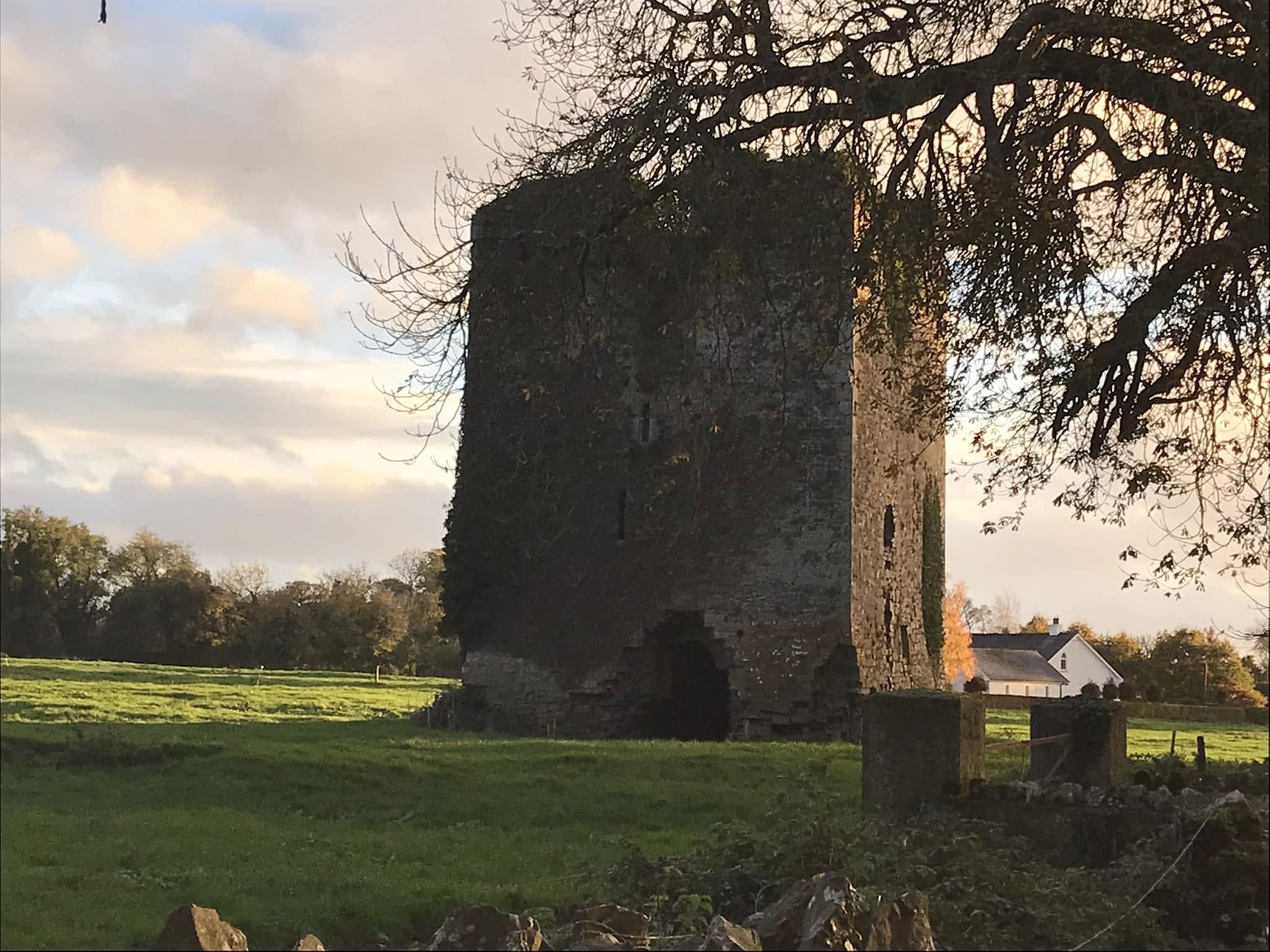
For me, researching the Knights Templar has never been about chasing legends. It is about recovering what time has almost erased. Through historical research, archaeology, cultural heritage and public history, I seek to uncover forgotten places, overlooked evidence and voices that deserve to be heard again. Every ruined preceptory, weathered gravestone, medieval manuscript and sacred landscape reminds us that history is not fixed; it is continually rediscovered through curiosity, evidence and careful interpretation.
The Knights Templar still matter because they challenge us to look beyond familiar narratives and ask deeper questions about faith, courage, service, memory and the societies we inherit. They invite us to become explorers rather than spectators, recognising that every landscape, every symbol and every fragment of the past carries a story waiting to be understood. By bringing together rigorous scholarship with accessible storytelling, my hope is not only to recover the forgotten history of the brave knights of the Temple, but to inspire others to see the medieval world—and our own—with fresh eyes.
For me, the study of the Knights Templar has become far more than historical research; it has become the thread that has quietly woven through my life since childhood; a lifelong calling that has grown into more than three decades of professional research, archaeology, cultural heritage and public history. My work has led me to believe that beneath the familiar history of crusades, castles and kings lies a deeper story; one concerned with the preservation of wisdom, the search for truth, the pursuit of justice and the restoration of balance within both society and the human soul. Whether expressed through sacred landscapes, forgotten traditions, archaeology or symbolism, these ideals continue to speak to our own age with remarkable relevance.
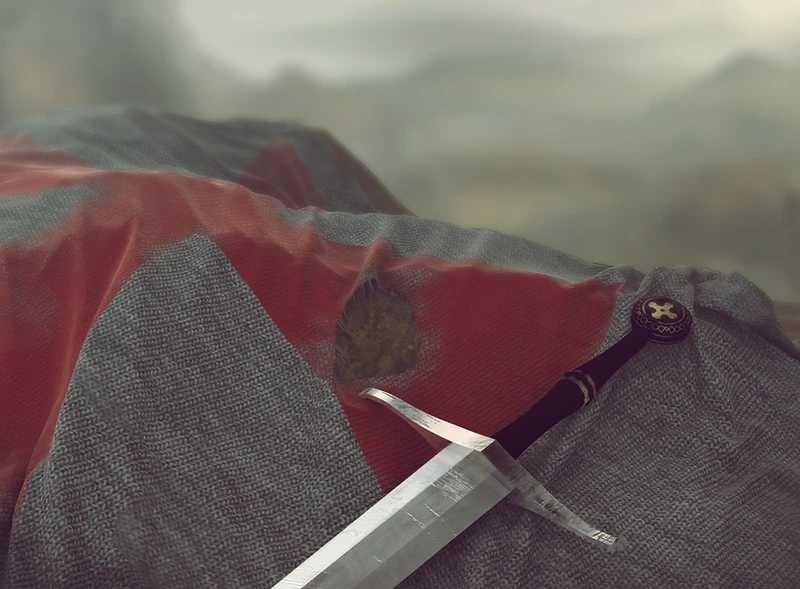
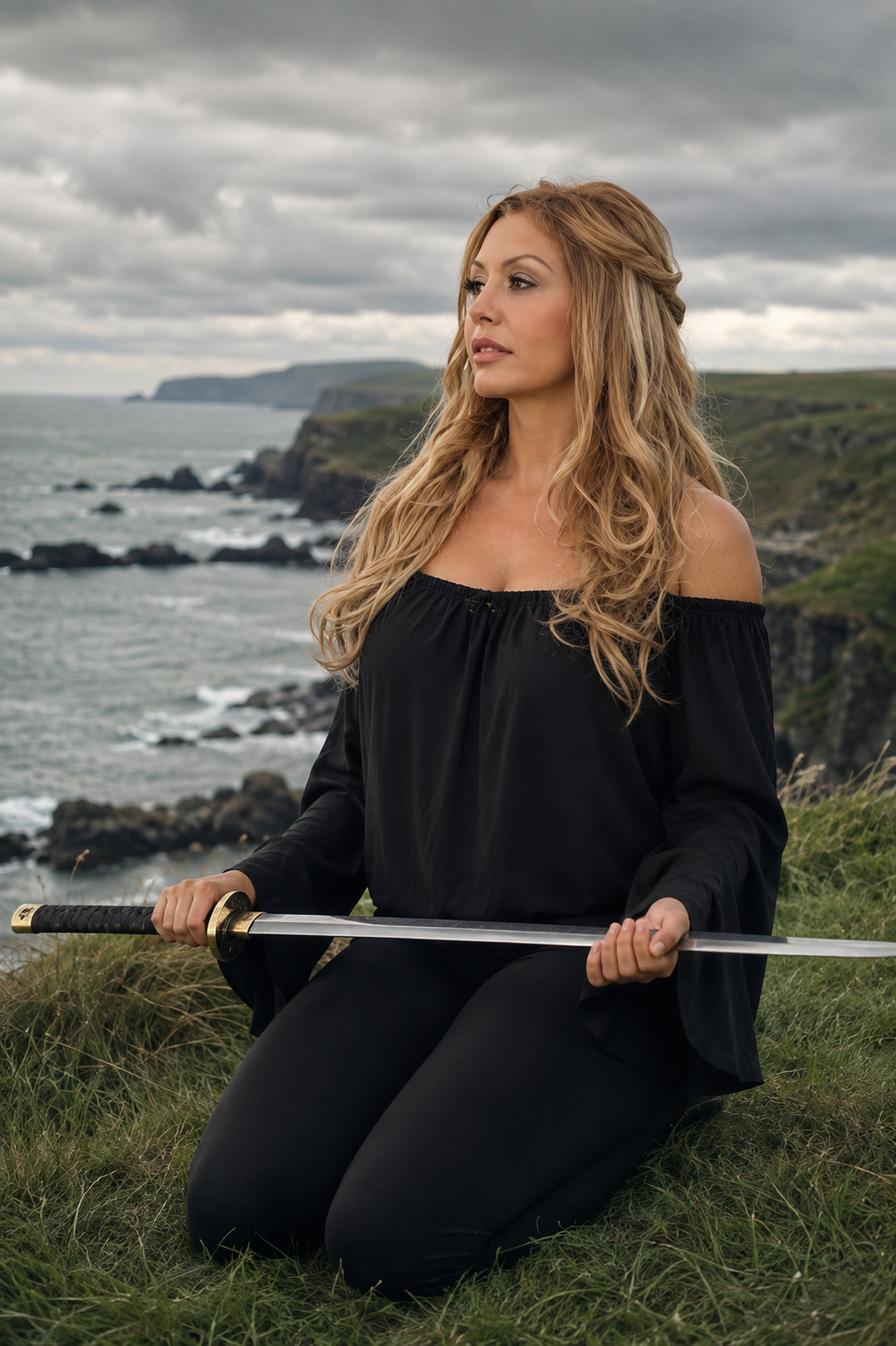
This is why the sword has become an important symbol in my own journey. In the medieval imagination, the true sword was never simply a weapon. It represented sovereignty, discernment, justice and the responsibility to wield power with wisdom rather than force. Like the sword entrusted by the Lady of the Lake in the Grail tradition, it is not a symbol of domination but of rightful service; a reminder that true authority begins with self-mastery, integrity and the courage to defend what is worthy of being preserved.
I see my own work as continuing that calling; not with armour or conquest, but through historical research, archaeology, cultural heritage and education. Every forgotten site documented, every overlooked voice restored and every fragment of evidence preserved is an act of stewardship. We inherit the past not to possess it, but to protect it, understand it and pass it forward. If my work has a purpose, it is to stand as one of many guardians of wisdom, ensuring that the knowledge, beauty and human stories entrusted to us are not lost, but continue to inspire future generations in their own search for truth, meaning and wholeness.
Thank you for taking the time to explore my work and for sharing in a journey that has become one of the greatest privileges of my life. If these pages encourage even one person to look more deeply, to question accepted narratives, to visit a forgotten heritage site, to protect a fragment of our shared past or to see history as something living rather than distant, then they have fulfilled their purpose.
Perhaps that is the true legacy of the Temple; not simply something to remember, but something to continue. Each of us is entrusted with the choice to preserve knowledge, seek truth, uphold justice and pass wisdom to those who will come after us. May we all become faithful guardians of the stories that shape humanity, so that what is most precious is never forgotten…
Helena B. Scott
Ave Maria, Gratia Plena